State profile
Why the Black-capped Chickadee fits Maine
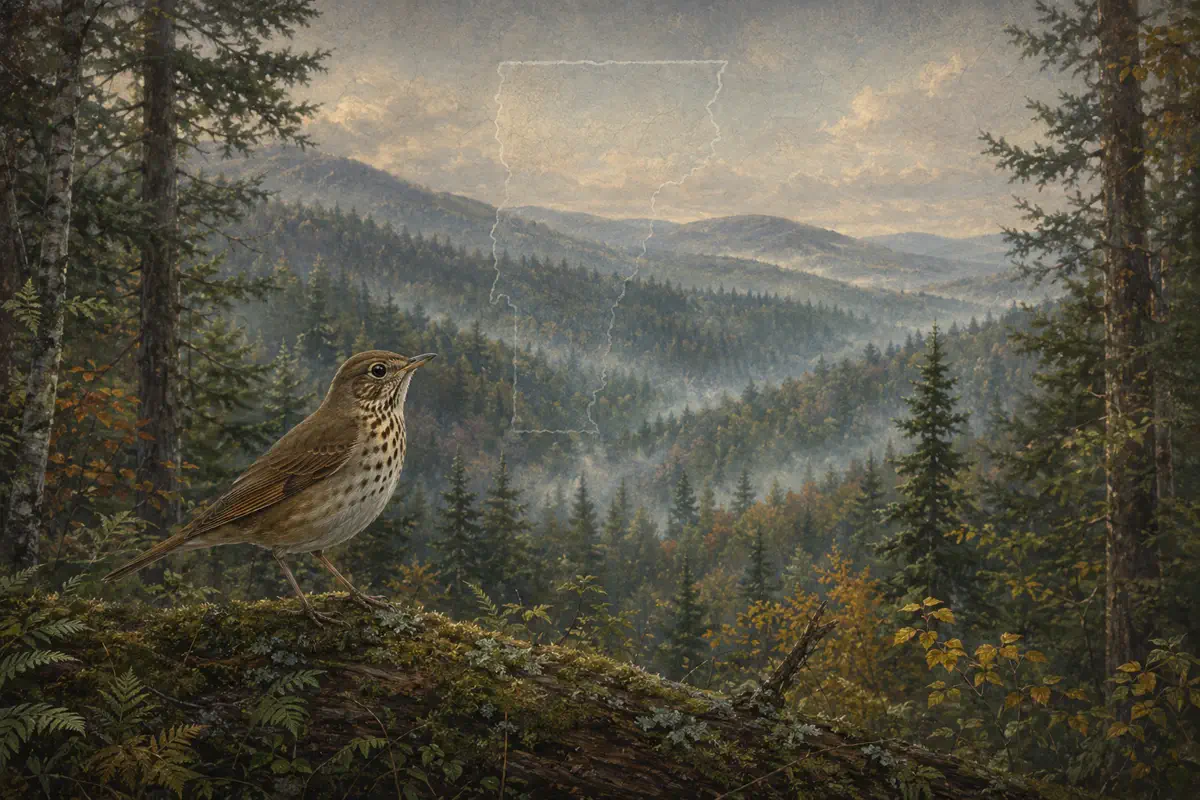
The Black-capped Chickadee feels like a natural fit for Maine because it belongs to spruce forest, mixed woodland, and feeder-friendly small towns. Whether you notice it around Acadia National Park or in an ordinary neighborhood yard, the species reflects the parts of Maine people actually see and hear, not a remote corner of the map.
About the Black-capped Chickadee
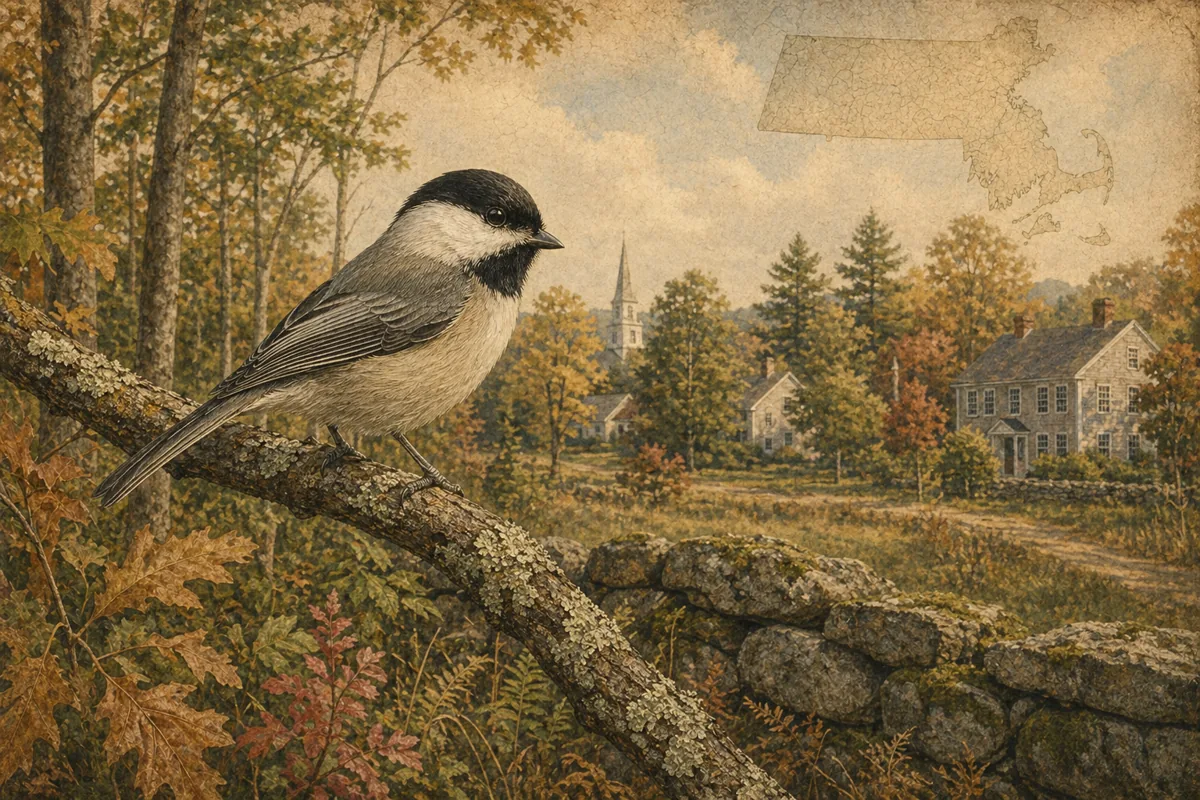
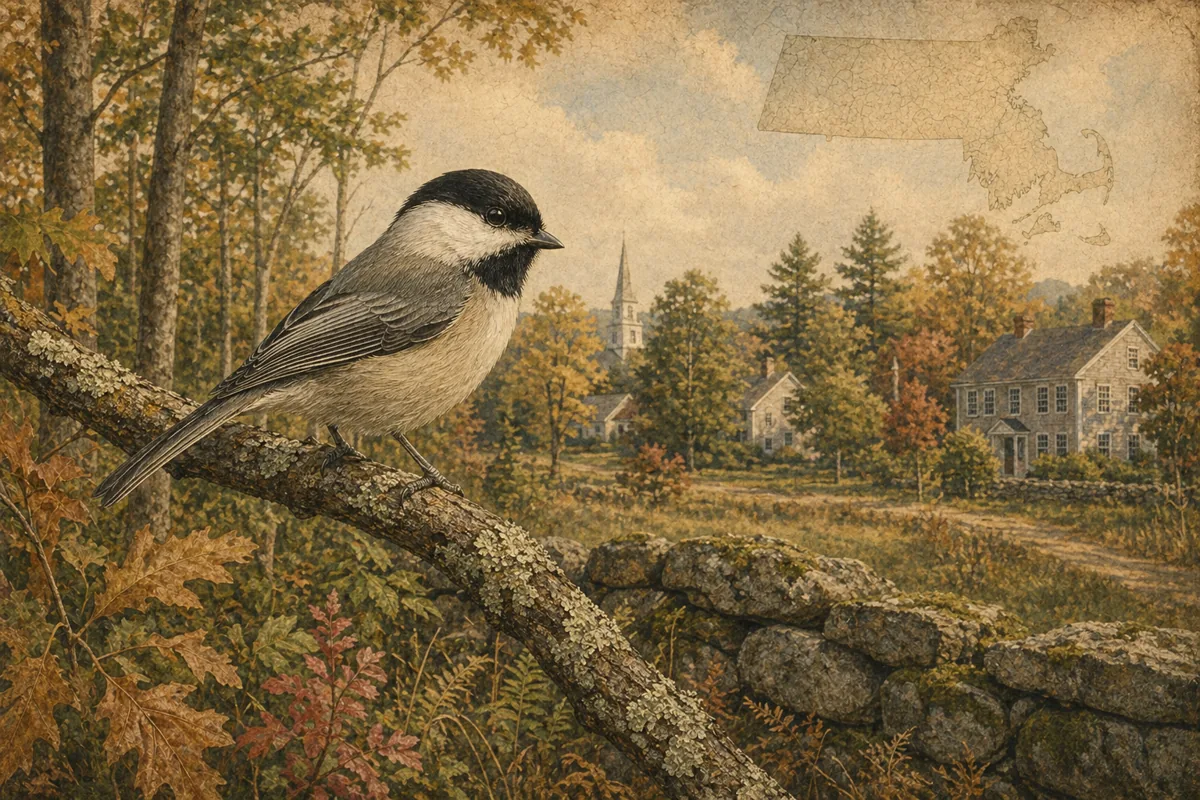
A black cap and bib, crisp white cheeks, and soft gray upperparts make the chickadee one of the easiest small woodland birds to recognize. In Maine, it looks especially at home across spruce forest, mixed woodland, and feeder-friendly small towns.
It travels in small mixed flocks, caches seeds, investigates bark and buds for insects, and nests in natural cavities or softened wood. It uses mixed woods, backyard feeders, suburban trees, and forest edges well, which helps explain why the bird feels familiar well beyond protected areas.