State Bird LC · Least Concern

Washington State Bird

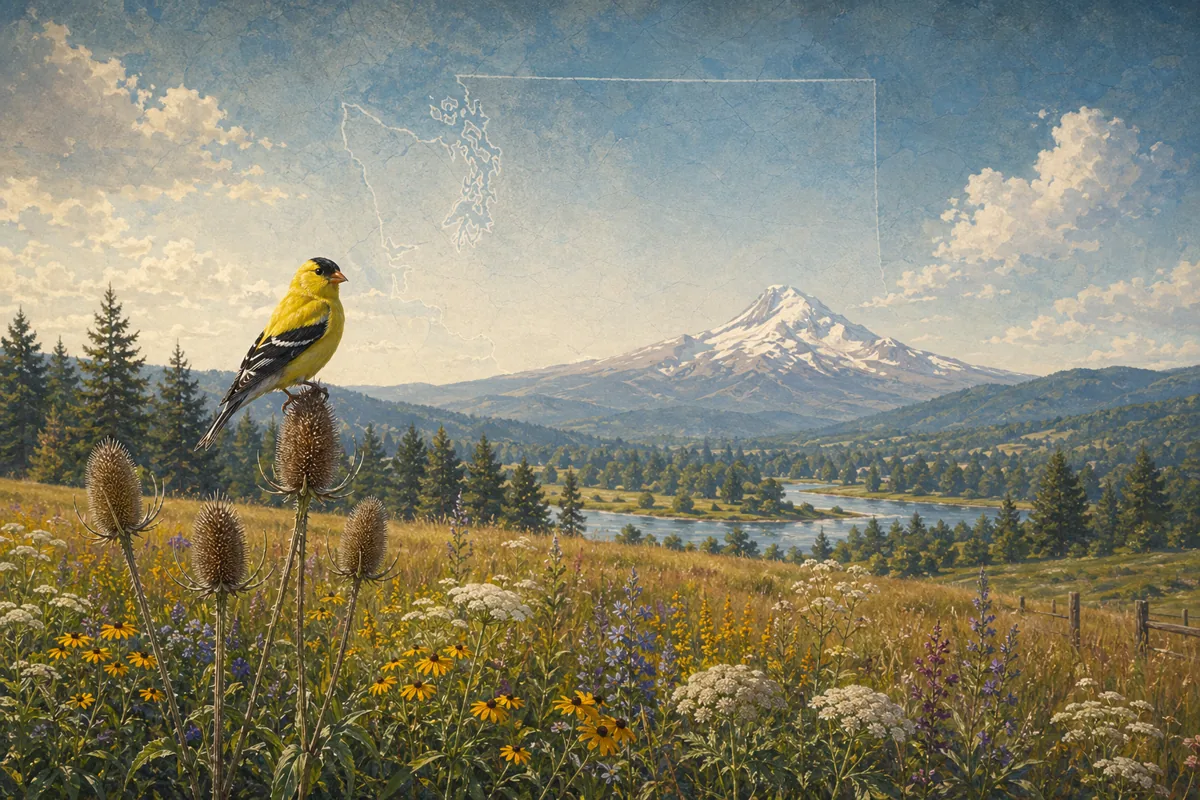
American Goldfinch
Spinus tristis · Designated 1951 · Finches

State profile

Why the American Goldfinch fits Washington

The American Goldfinch feels like a natural fit for Washington because it belongs to open field edges, river valleys, and suburban plantings west and east of the Cascades. Whether you notice it around Nisqually National Wildlife Refuge or in an ordinary neighborhood yard, the species reflects the parts of Washington people actually see and hear, not a remote corner of the map.
Quick Answer
The state bird of Washington is the American Goldfinch (Spinus tristis), designated in 1951.

Why Washington Chose the American Goldfinch

Washington designated the American Goldfinch in 1951 because of its bright summer color and strong link to seed-rich open country and garden habitat across Washington. It was a practical symbolic choice: familiar to residents, visible across much of the state, and easy to connect with local schools, gardens, farms, parks, or conservation culture.

About the American Goldfinch

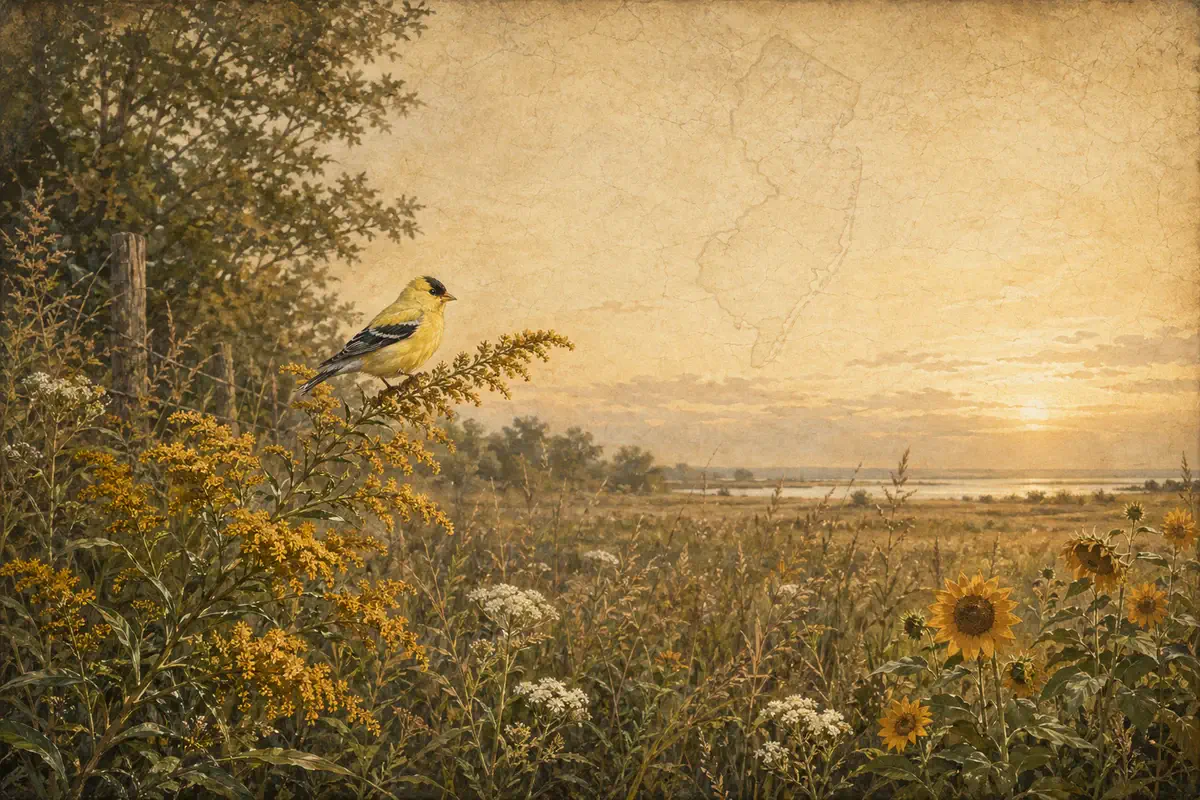
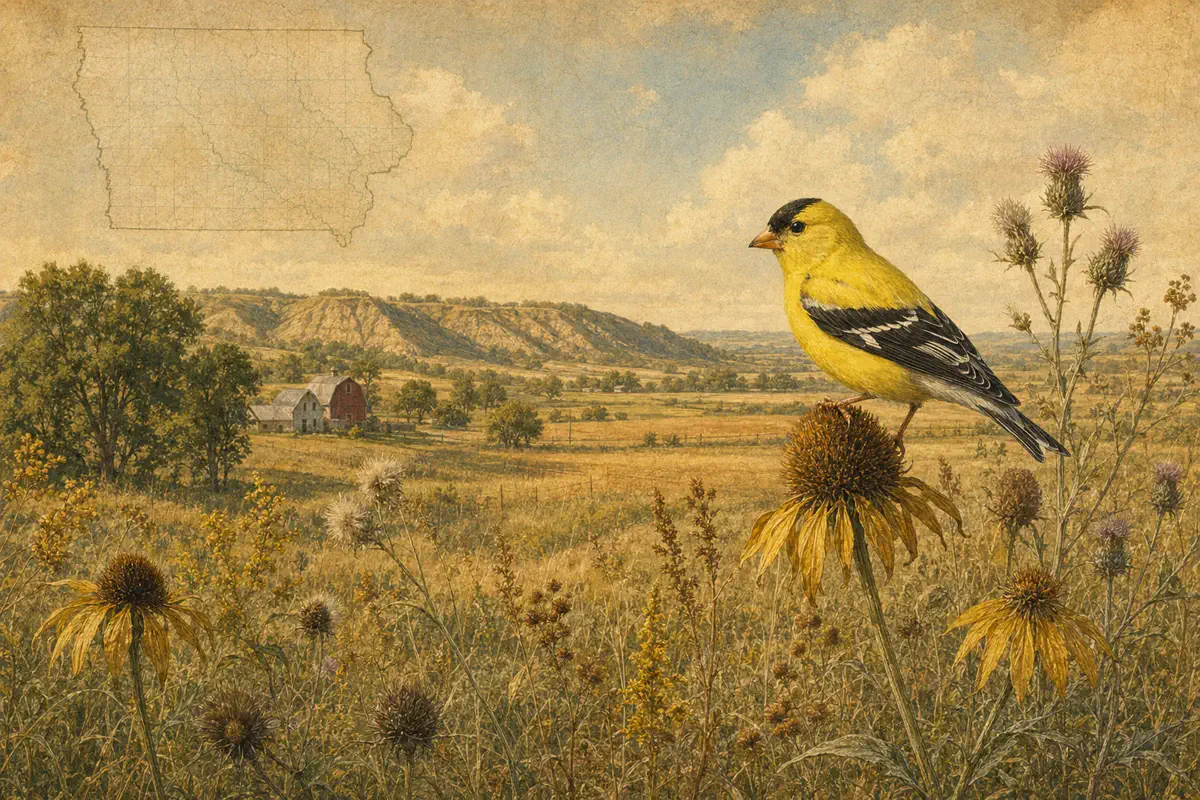
Adult males glow yellow with black wings and a neat black cap in breeding season, while females and winter birds look softer olive-gold and more subdued. In Washington, it looks especially at home across open field edges, river valleys, and suburban plantings west and east of the Cascades.

American Goldfinches move in buoyant waves, cling to thistles and sunflowers, and nest later than many songbirds once seed crops peak. It uses weedy fields, prairie edges, gardens, and open suburban plantings well, which helps explain why the bird feels familiar well beyond protected areas.

Where to See the American Goldfinch in Washington

In Washington, start with Nisqually National Wildlife Refuge, Turnbull National Wildlife Refuge, and the Methow Valley. Watch for birds hanging from seed heads or giving their rolling flight call over open ground. Late summer often brings the steadiest views because seed-rich patches are busiest then. These kinds of places match the bird's preferred mix of weedy fields, prairie edges, gardens, and open suburban plantings.
Conservation

The American Goldfinch is currently listed as LC. It remains common, but intensive mowing, herbicide-heavy field edges, and simplified landscaping remove the seed-bearing plants the species uses most.
Explore the collection

All 50 State Birds

All 50 US states have designated official state birds. The most commonly chosen are the Northern Cardinal and the Western Meadowlark.

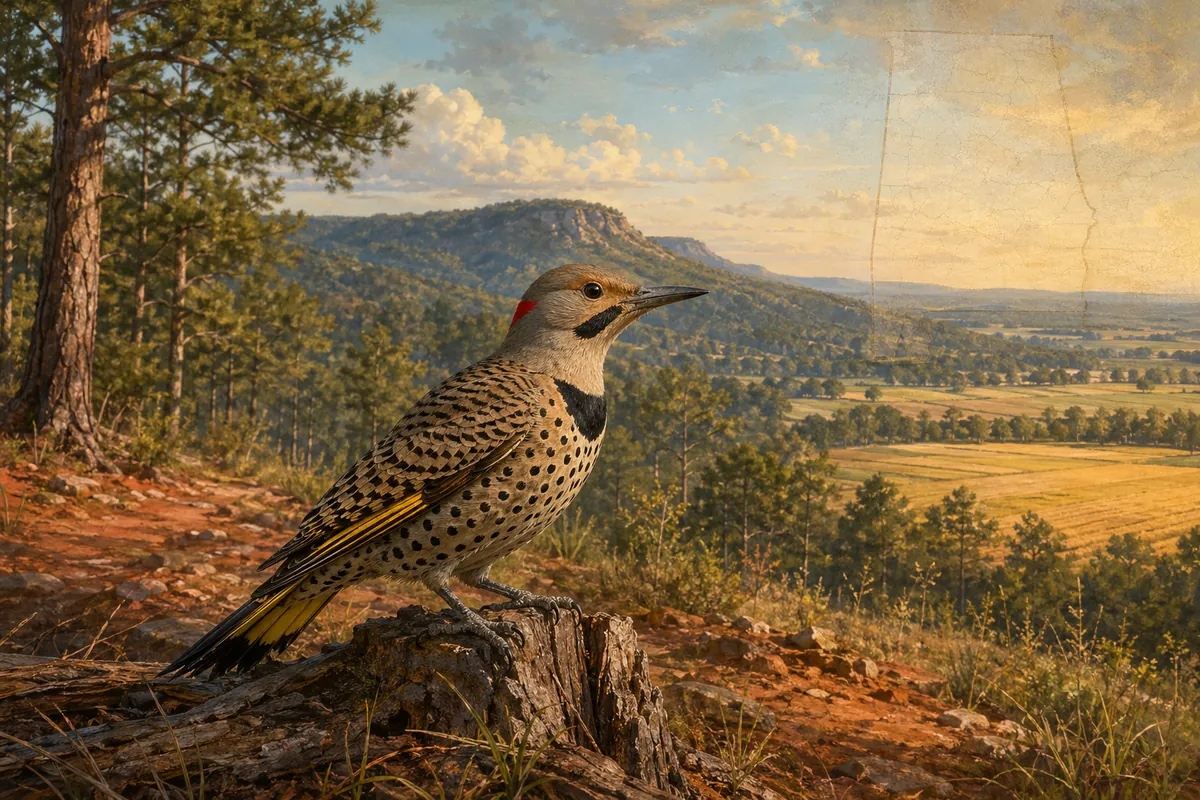
Alabama
Northern Flicker
Since 1927
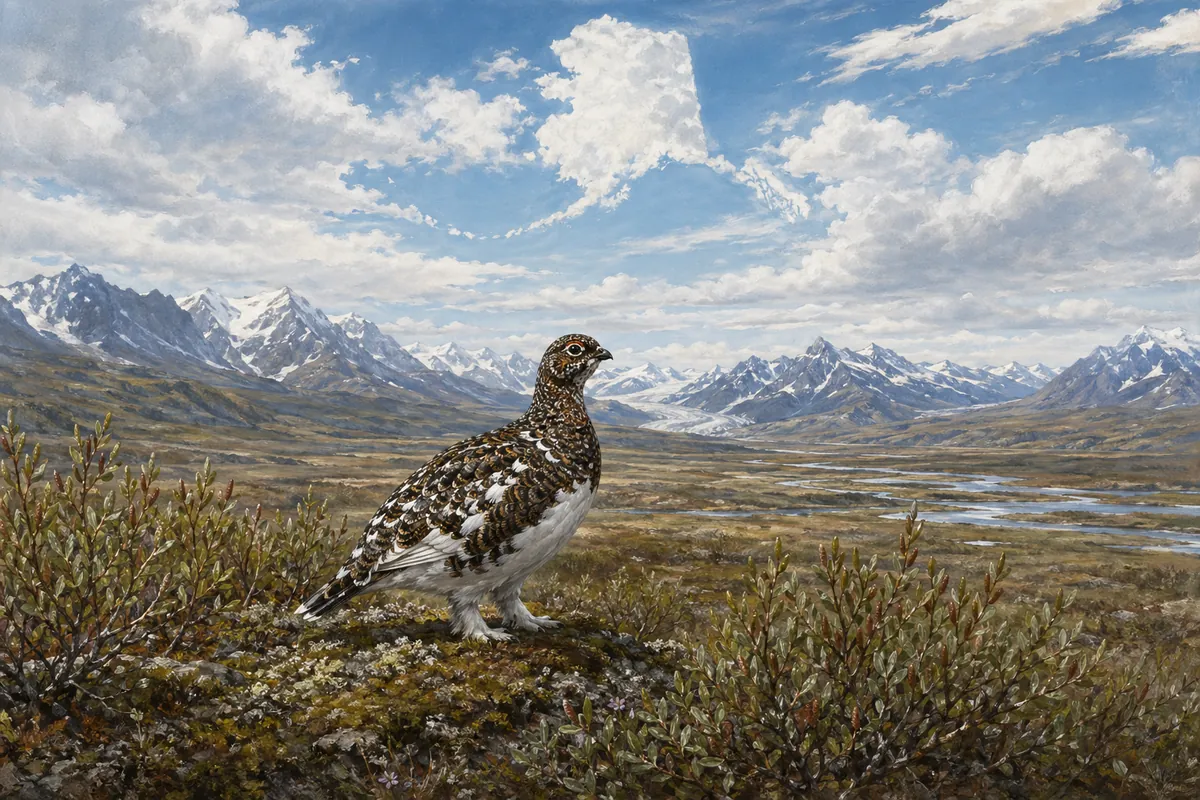
Alaska
Willow Ptarmigan
Since 1955
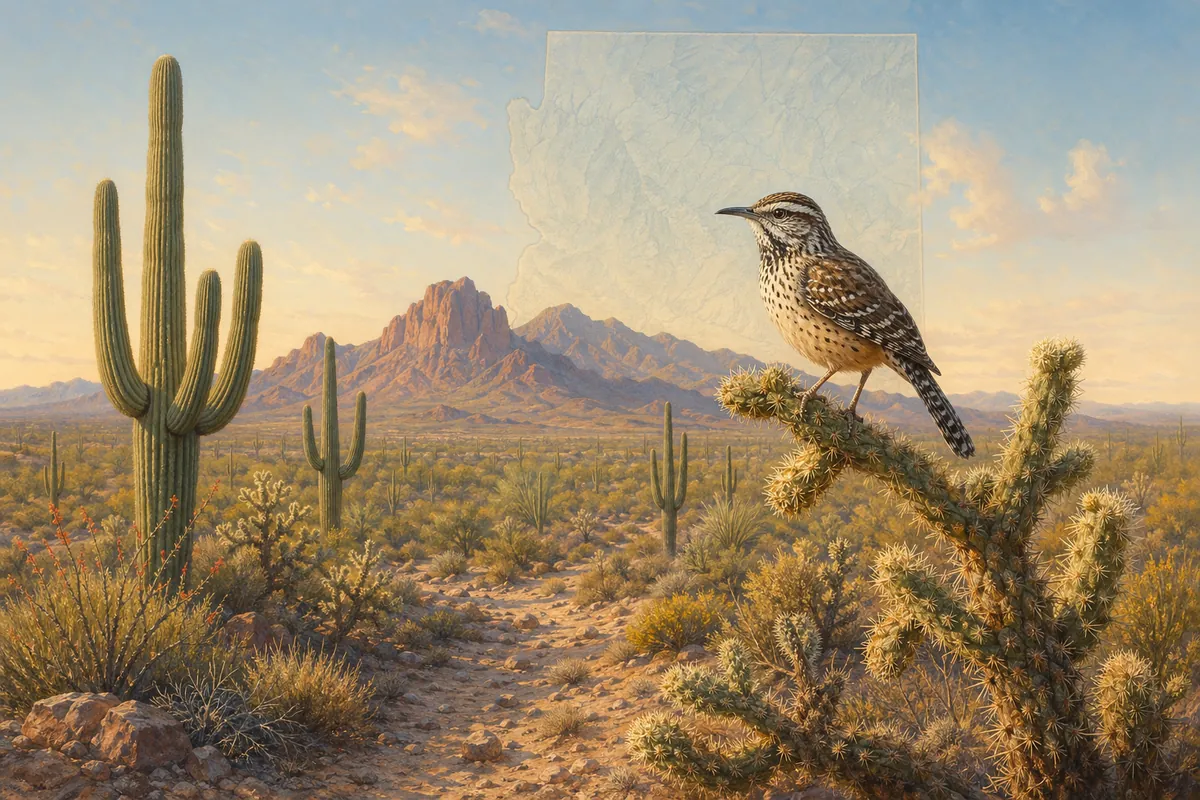
Arizona
Cactus Wren
Since 1931
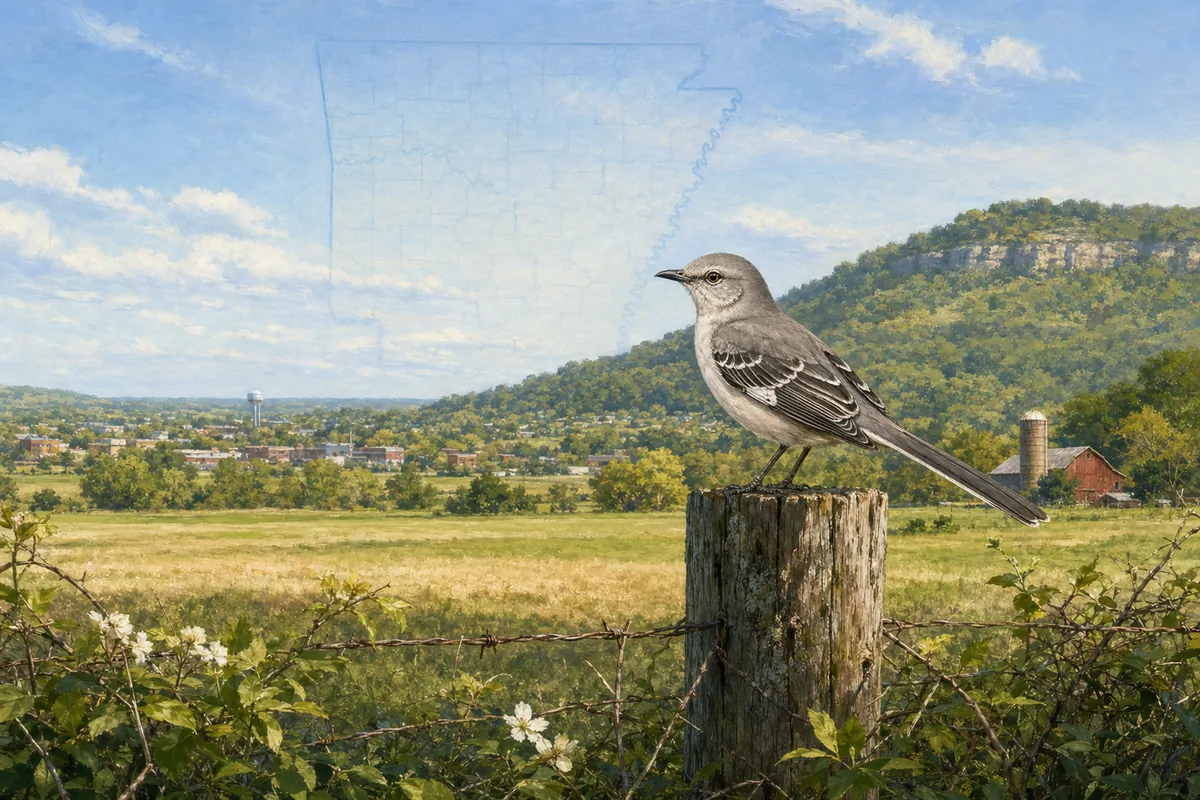
Arkansas
Northern Mockingbird
Since 1929
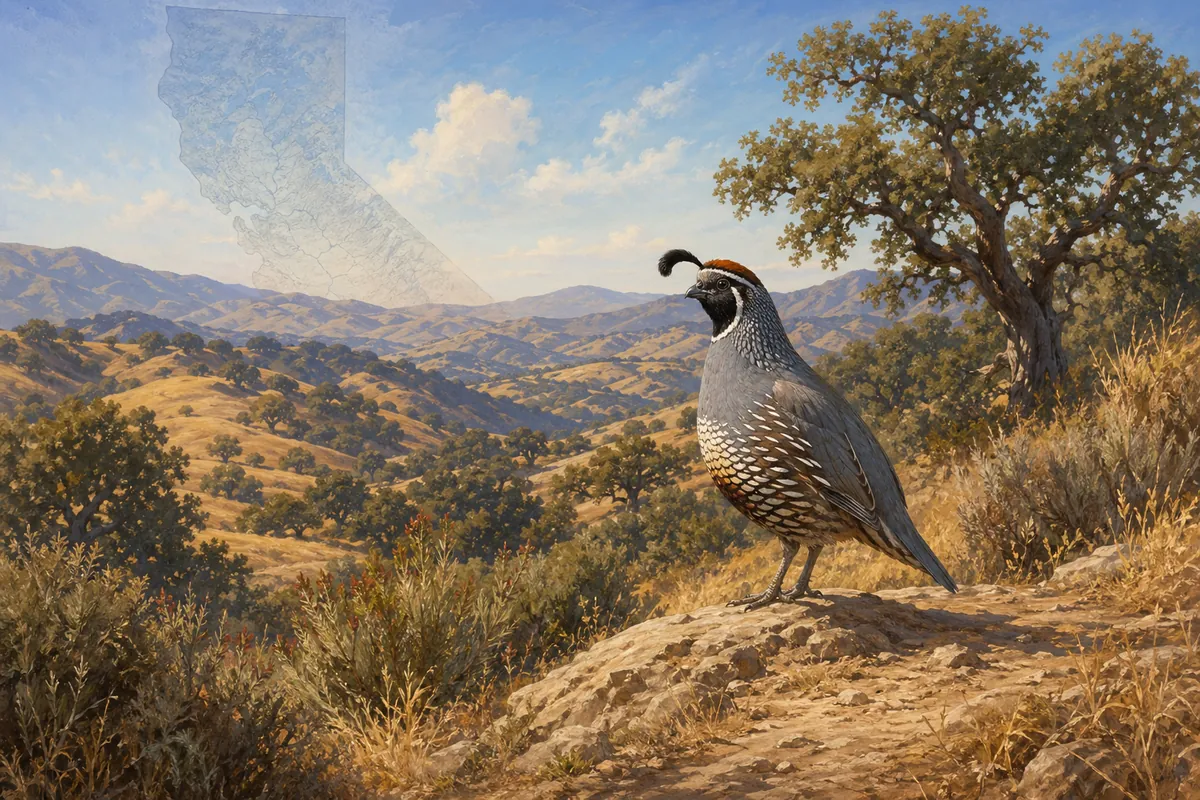
California
California Quail
Since 1931
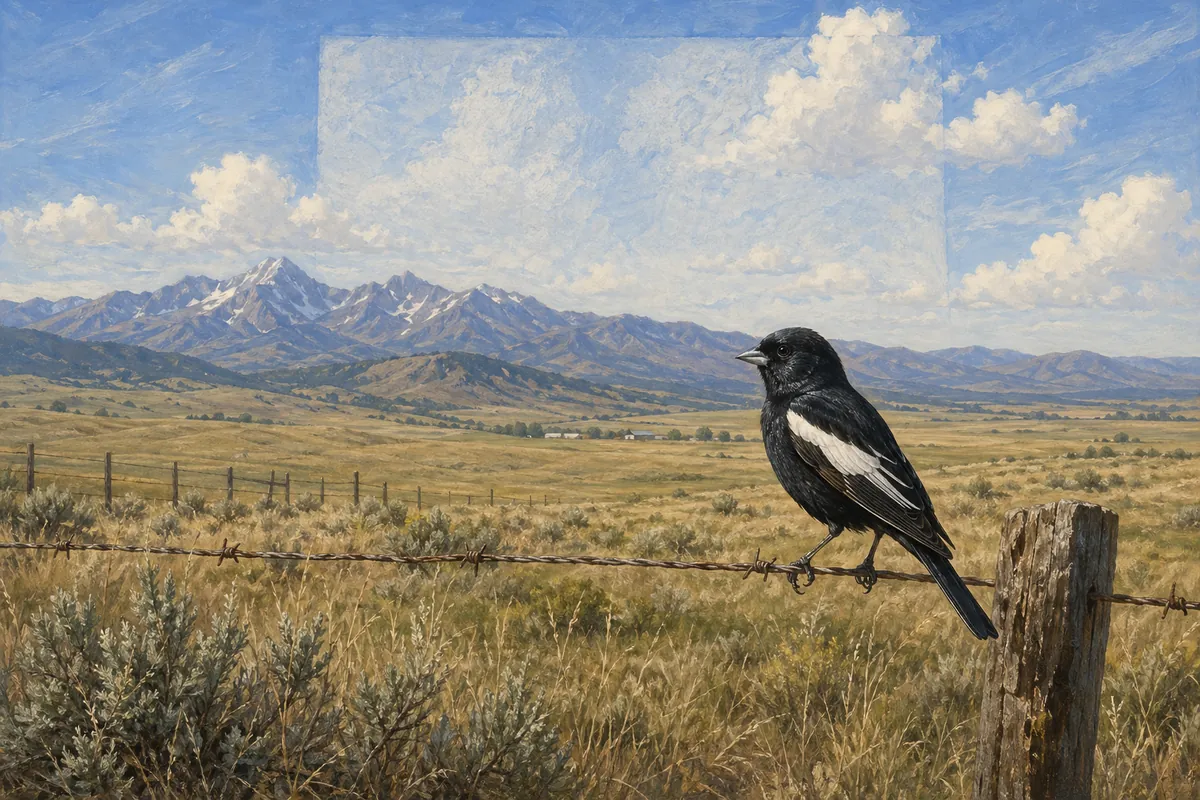
Colorado
Lark Bunting
Since 1931
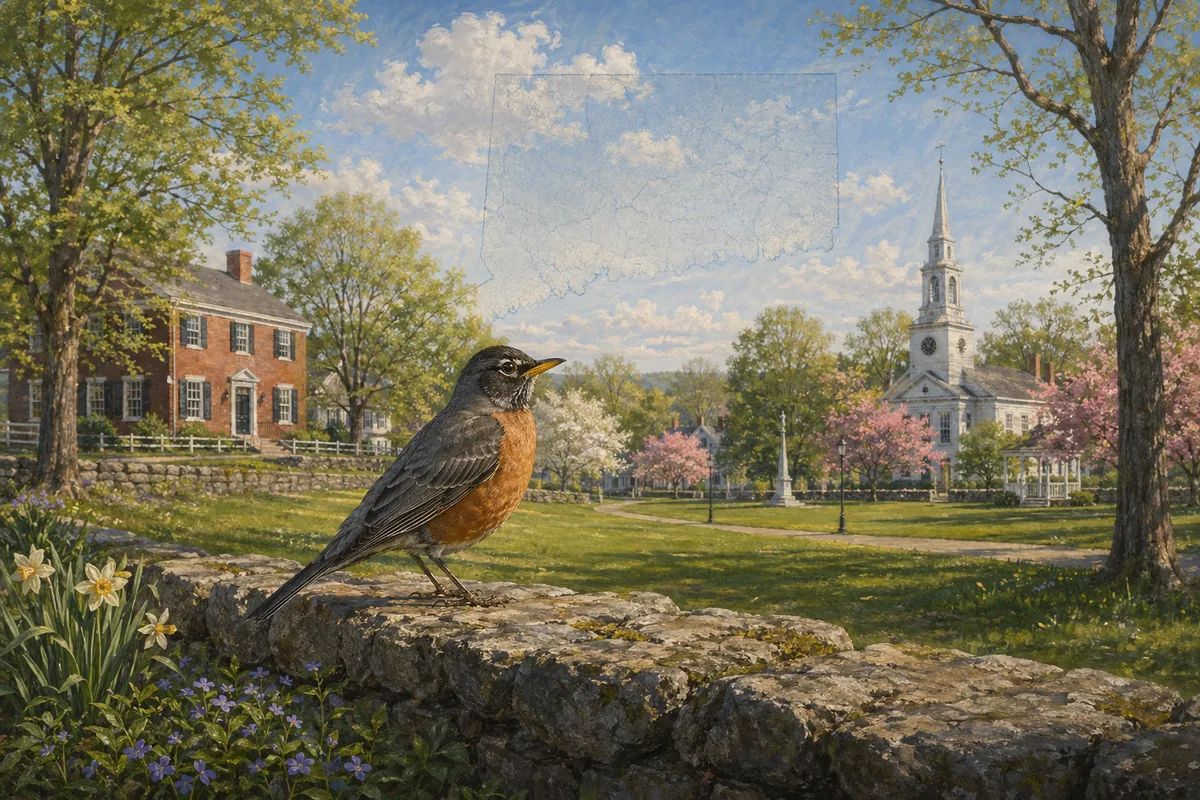
Connecticut
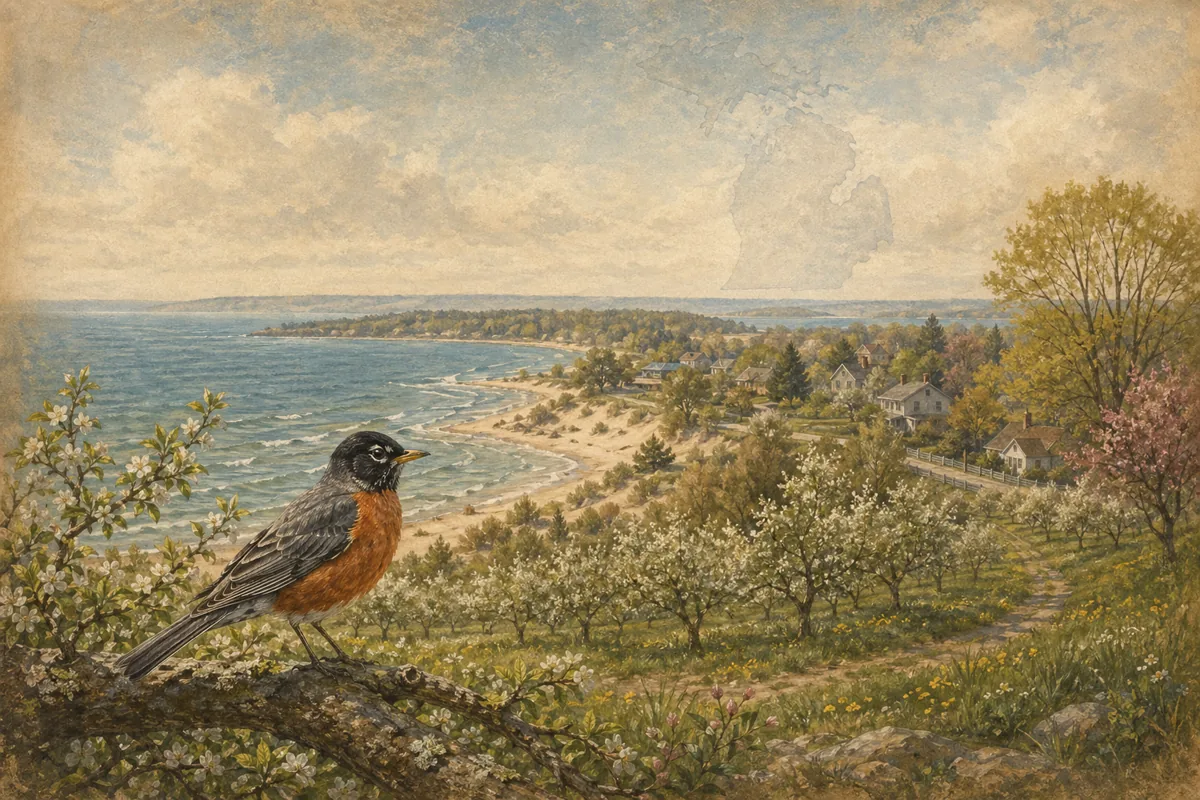
American Robin
Since 1943
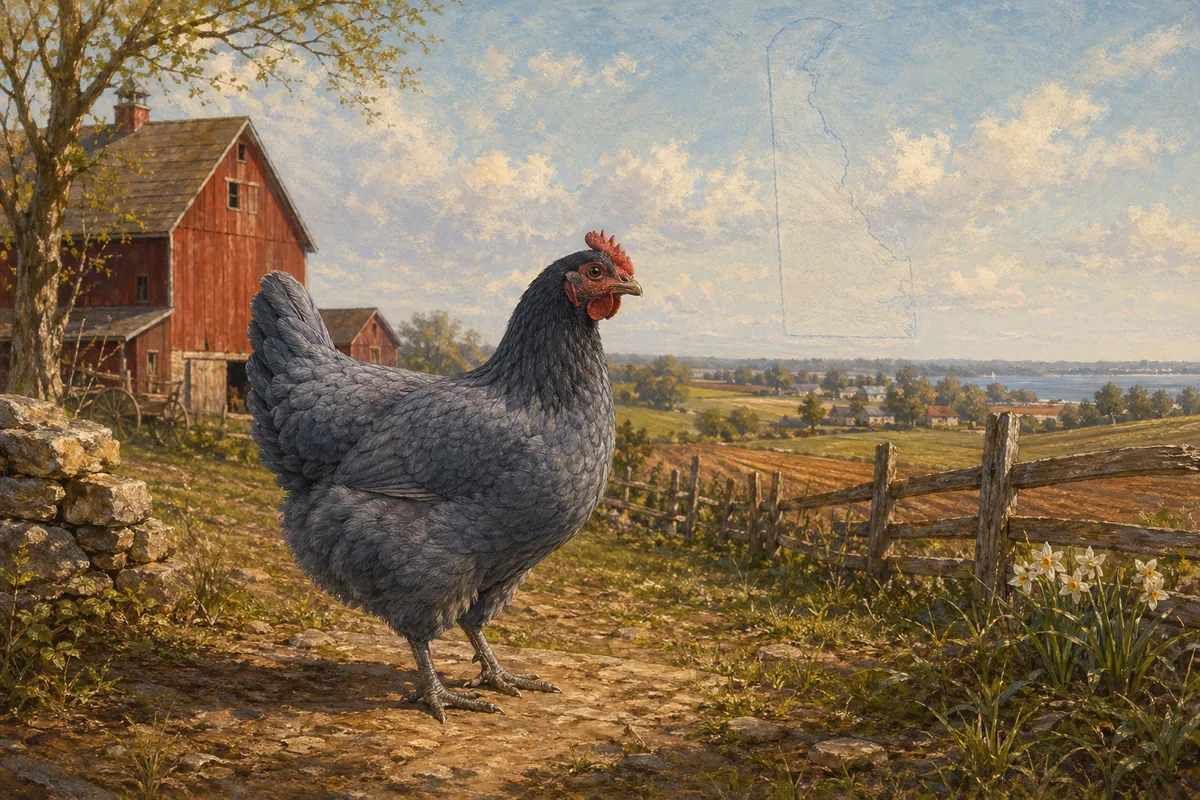
Delaware
Blue Hen Chicken
Since 1939
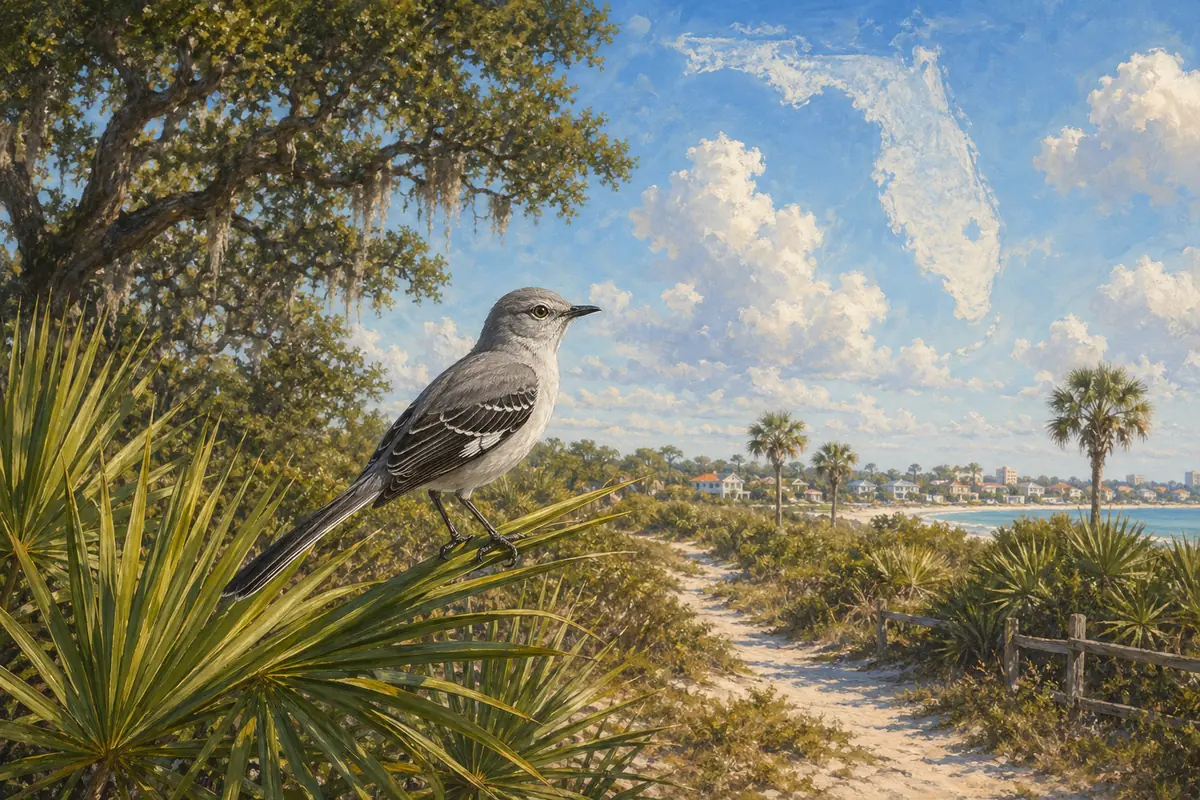
Florida
Northern Mockingbird
Since 1927
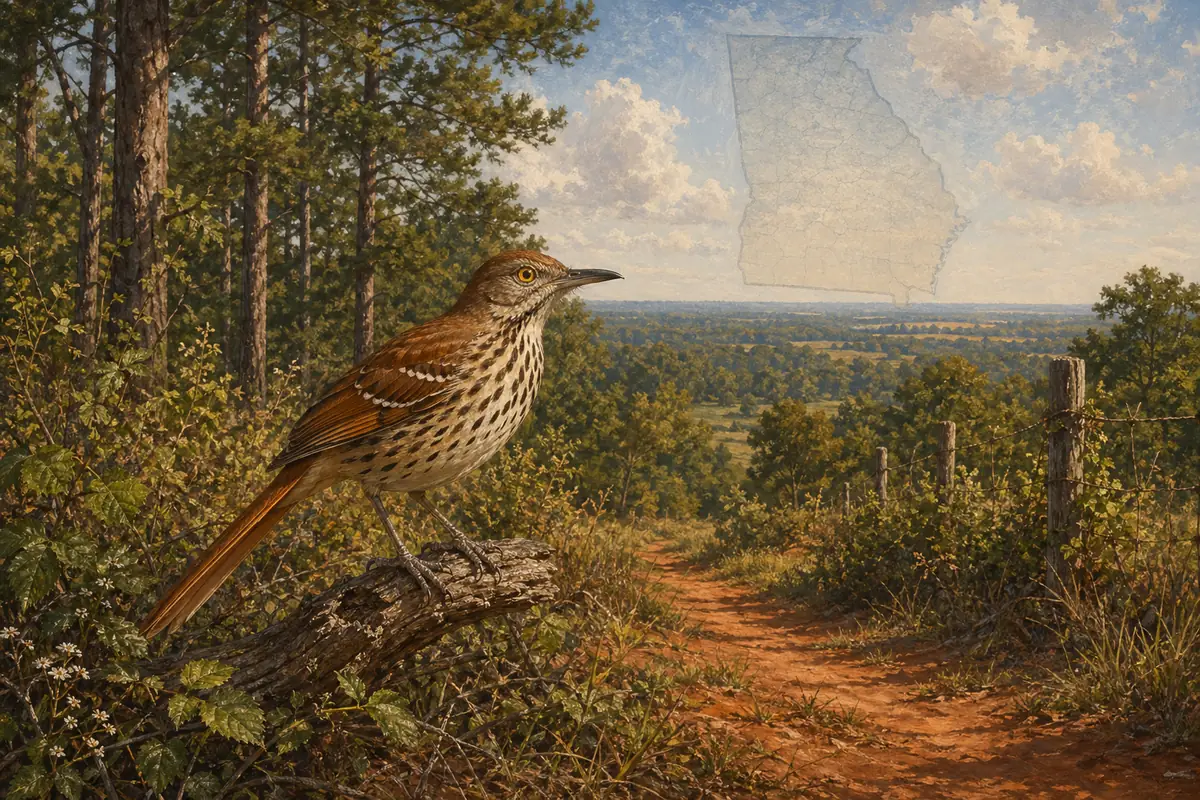
Georgia
Brown Thrasher
Since 1935
Hawaii
Hawaiian Goose
Since 1957
Idaho
Mountain Bluebird
Since 1931
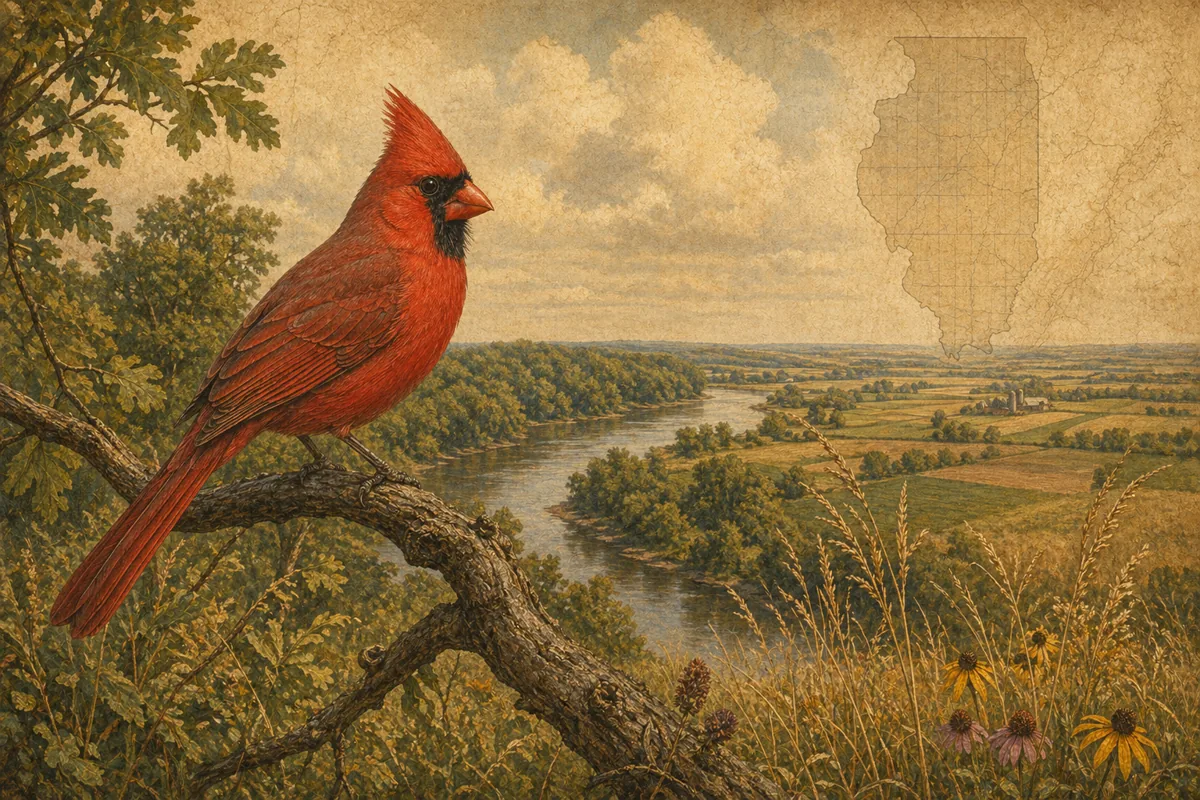
Illinois
Northern Cardinal
Since 1929
Indiana
Northern Cardinal
Since 1933
Iowa
American Goldfinch
Since 1933
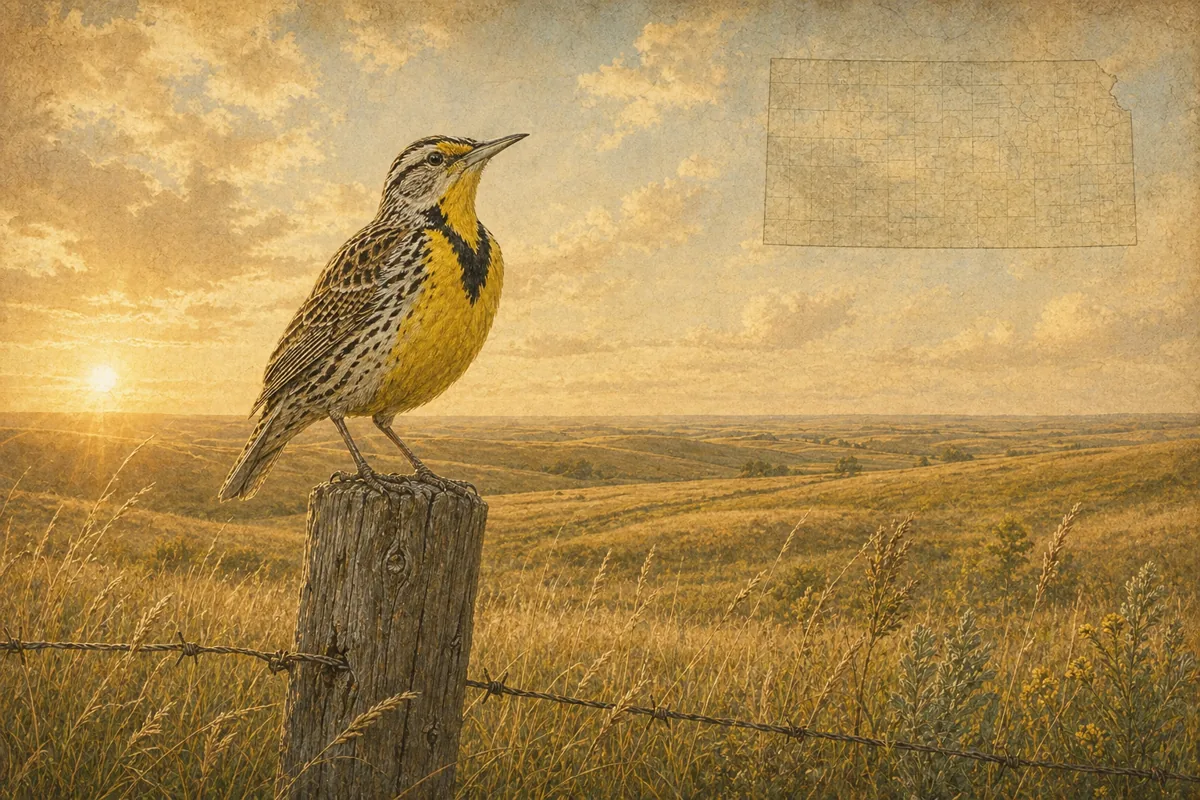
Kansas
Western Meadowlark
Since 1937
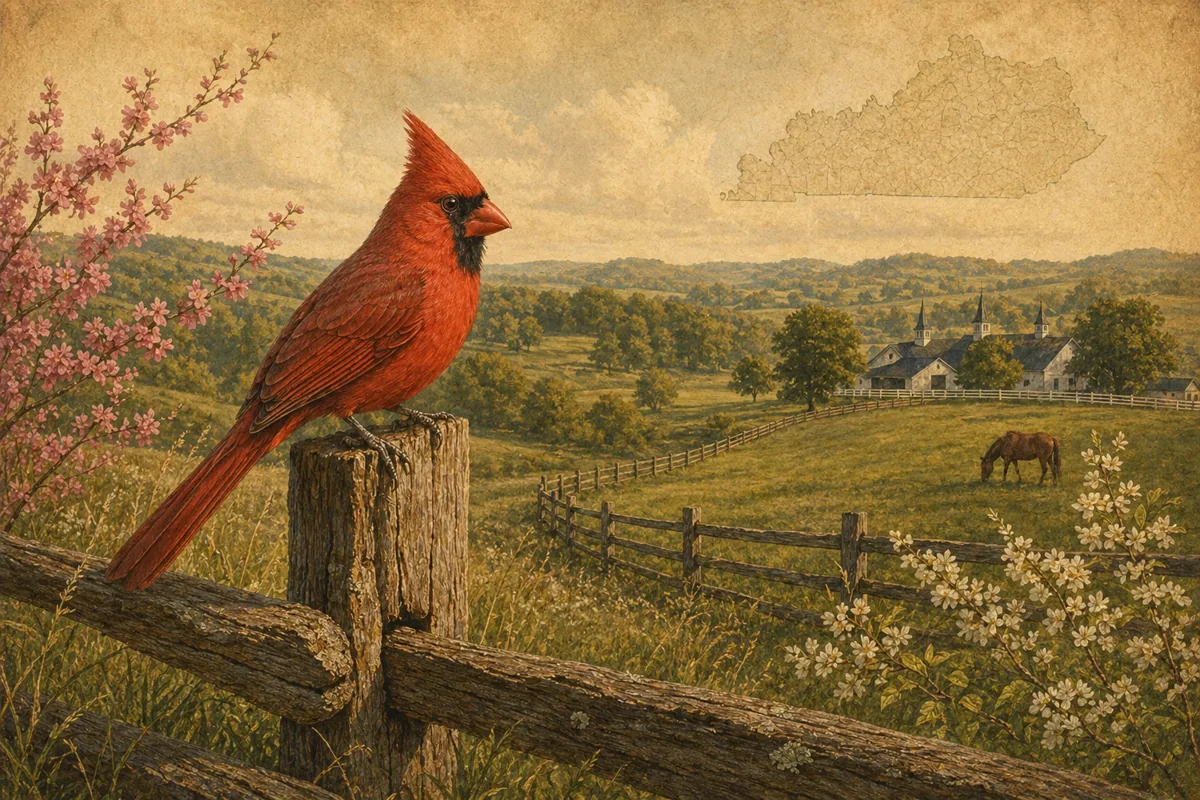
Kentucky
Northern Cardinal
Since 1926
Louisiana
Brown Pelican
Since 1966
Maine
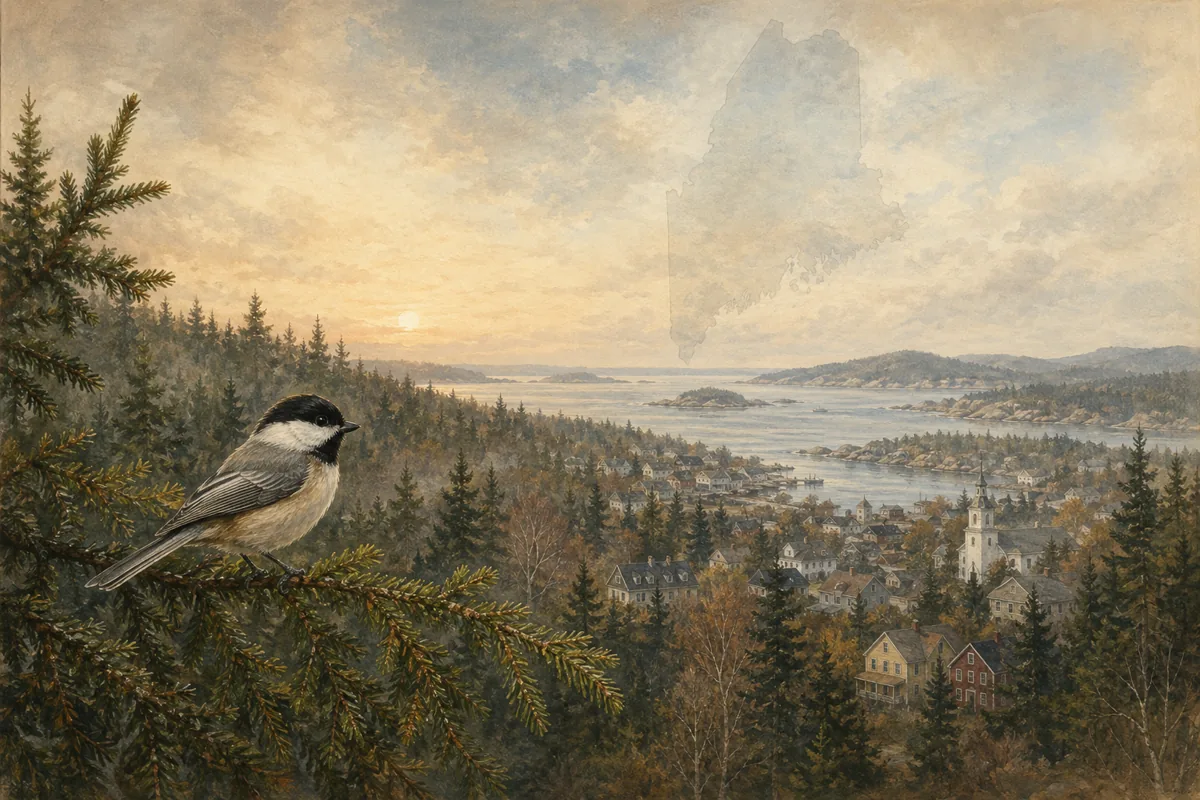
Black-capped Chickadee
Since 1927
Maryland
Baltimore Oriole
Since 1947
Massachusetts
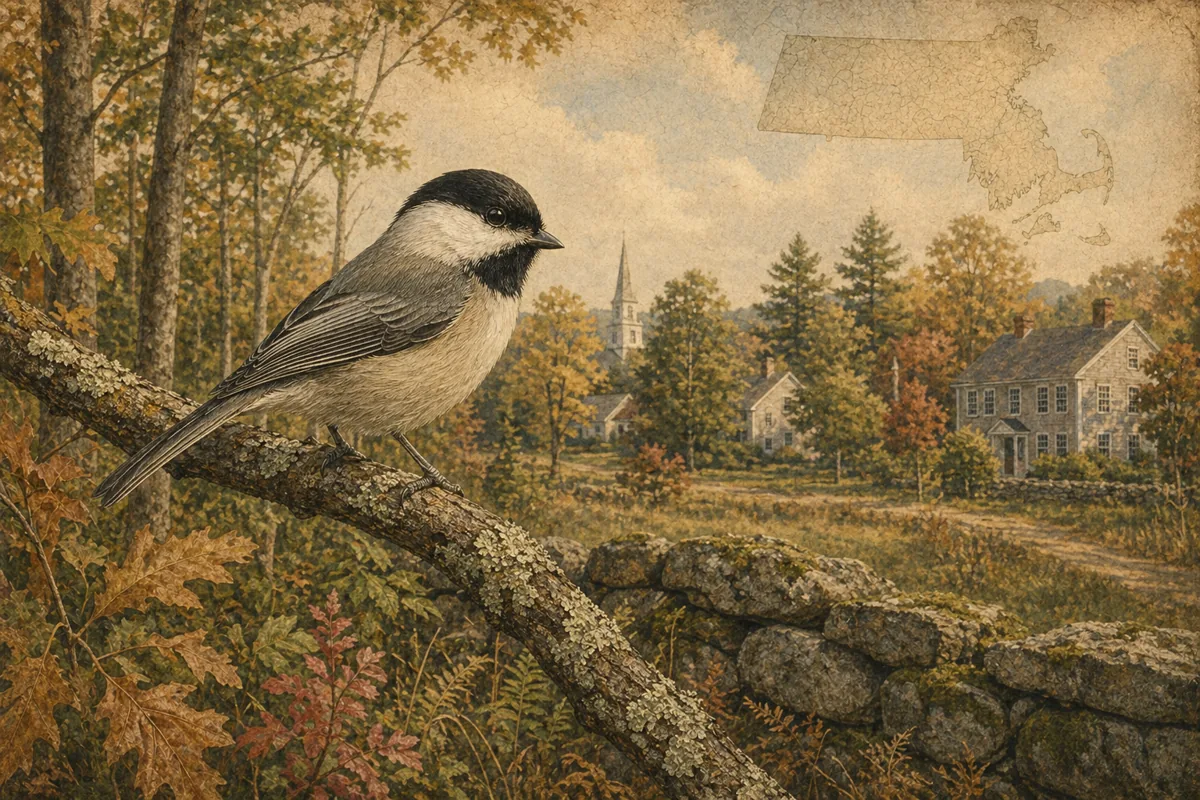
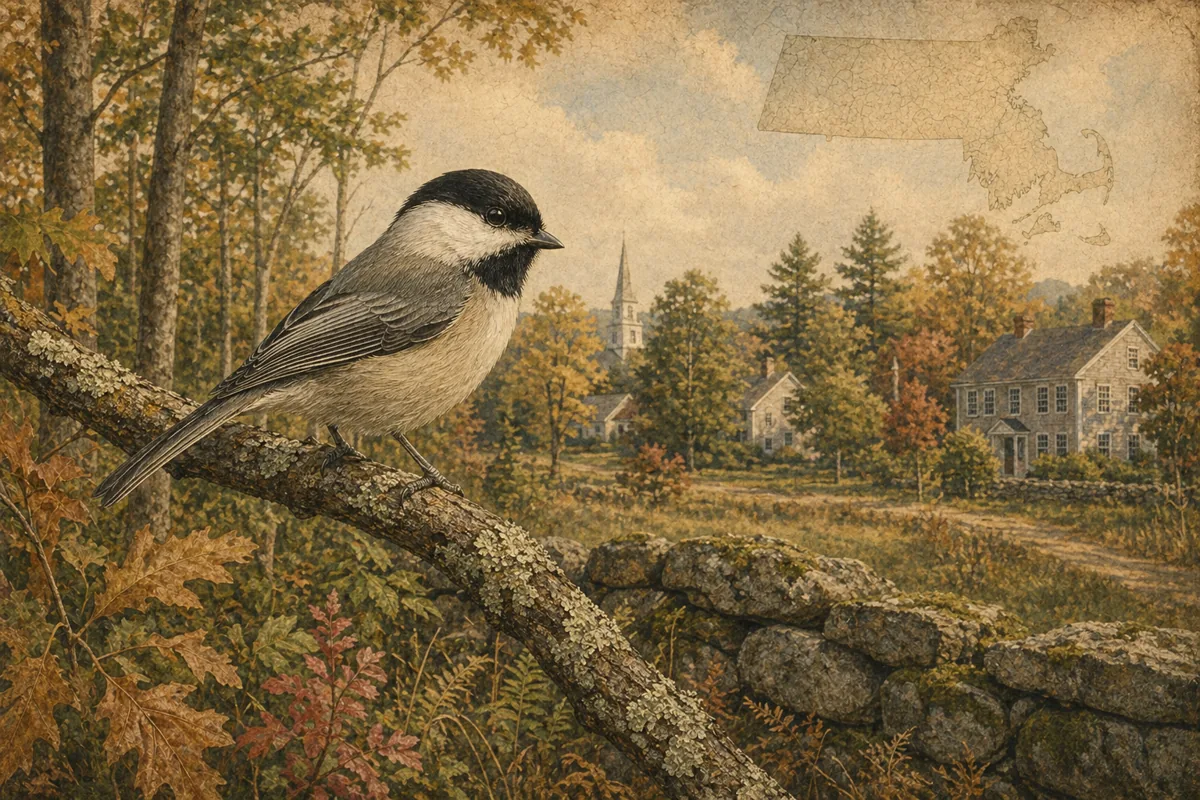
Black-capped Chickadee
Since 1941
Michigan
American Robin
Since 1931
Minnesota
Common Loon
Since 1961
Mississippi
Northern Mockingbird
Since 1944
Missouri
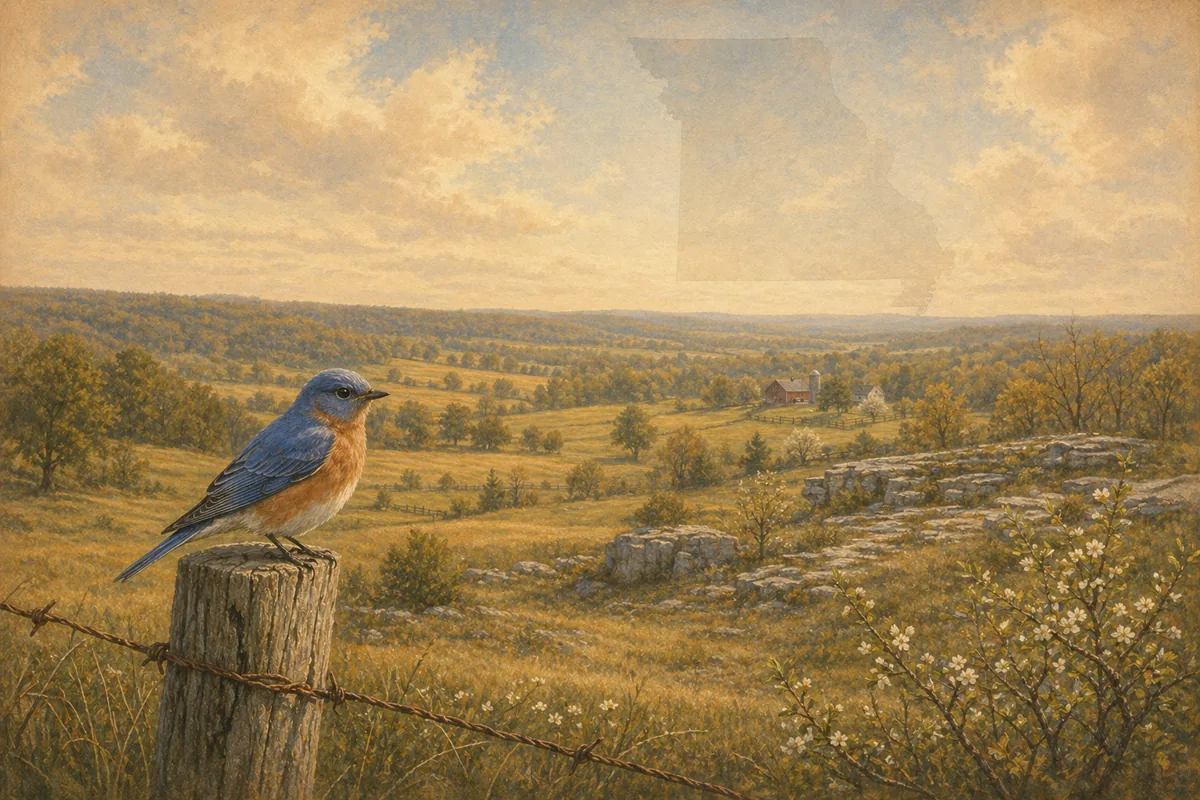
Eastern Bluebird
Since 1927
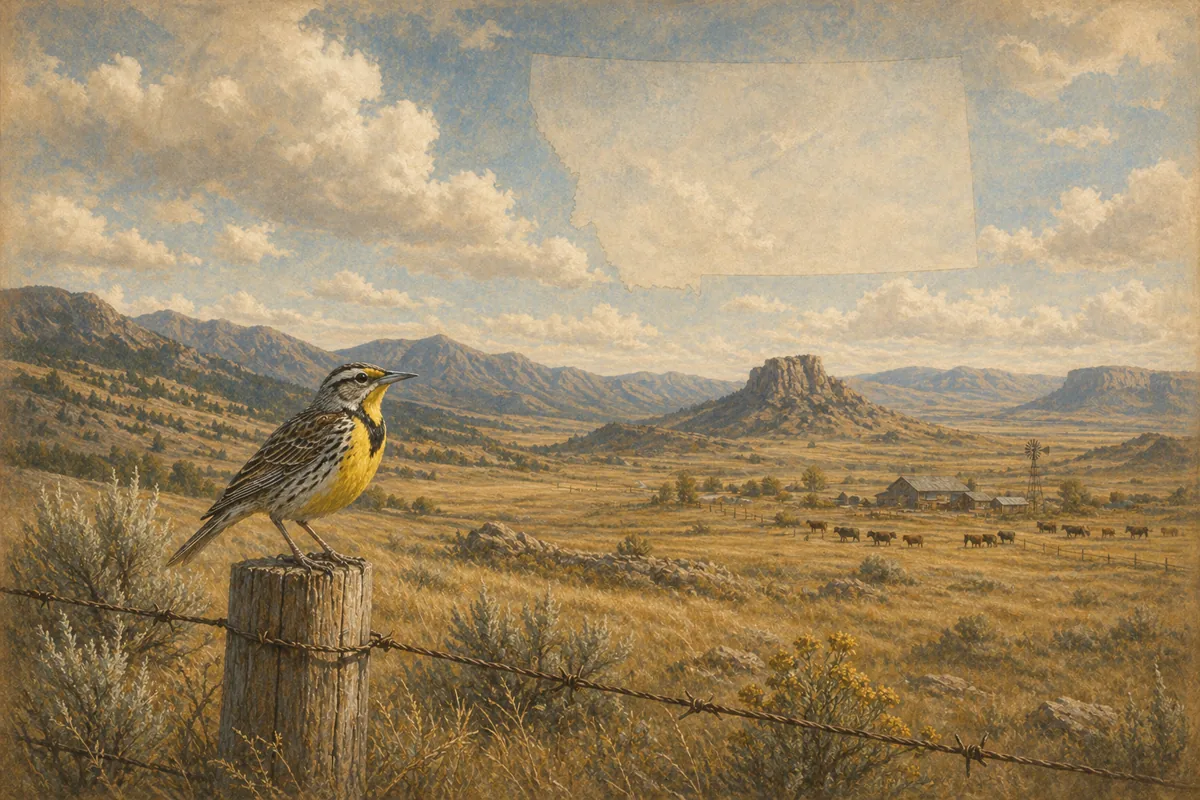
Montana
Western Meadowlark
Since 1931
Nebraska
Western Meadowlark
Since 1929
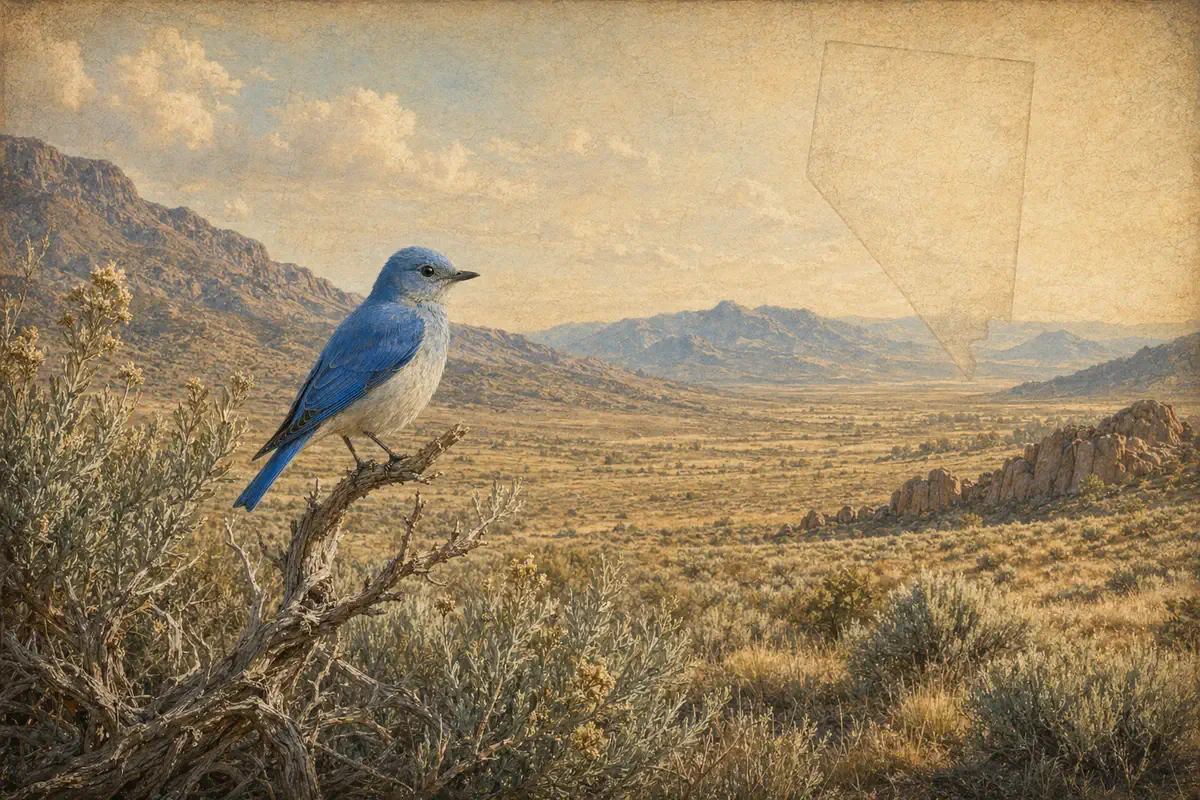
Nevada
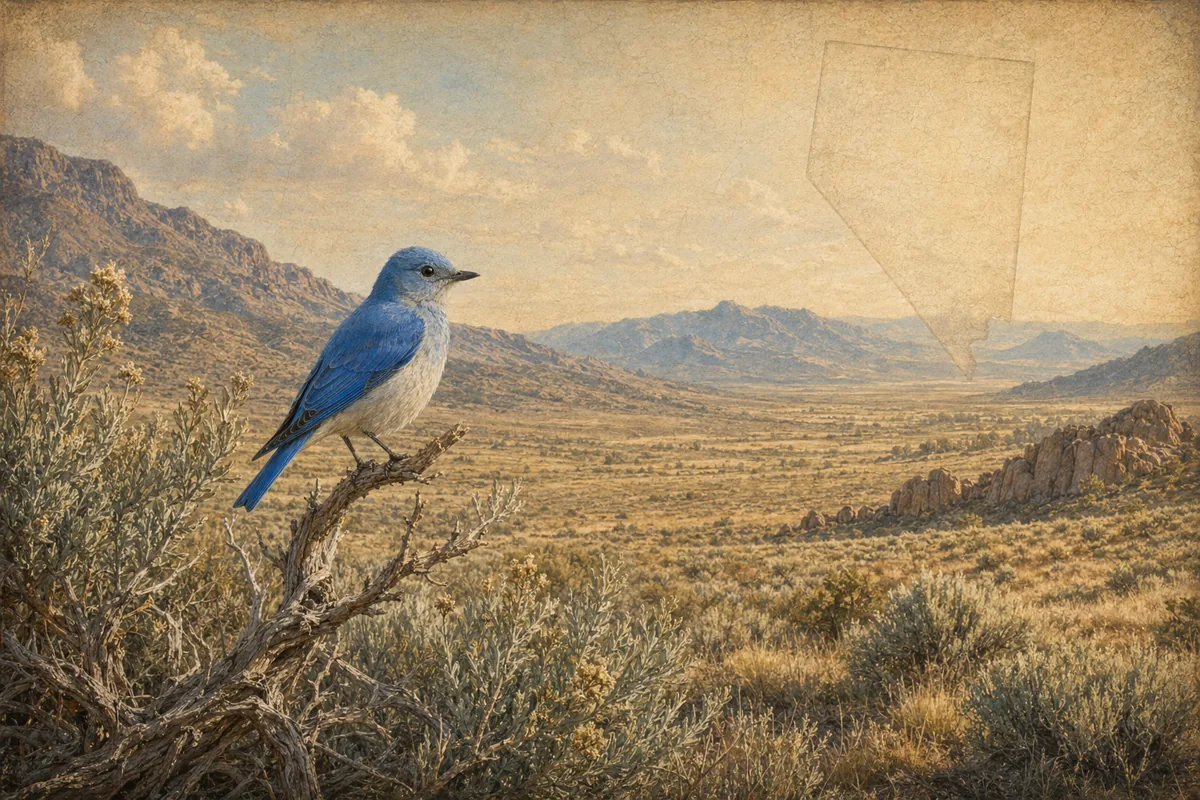
Mountain Bluebird
Since 1967
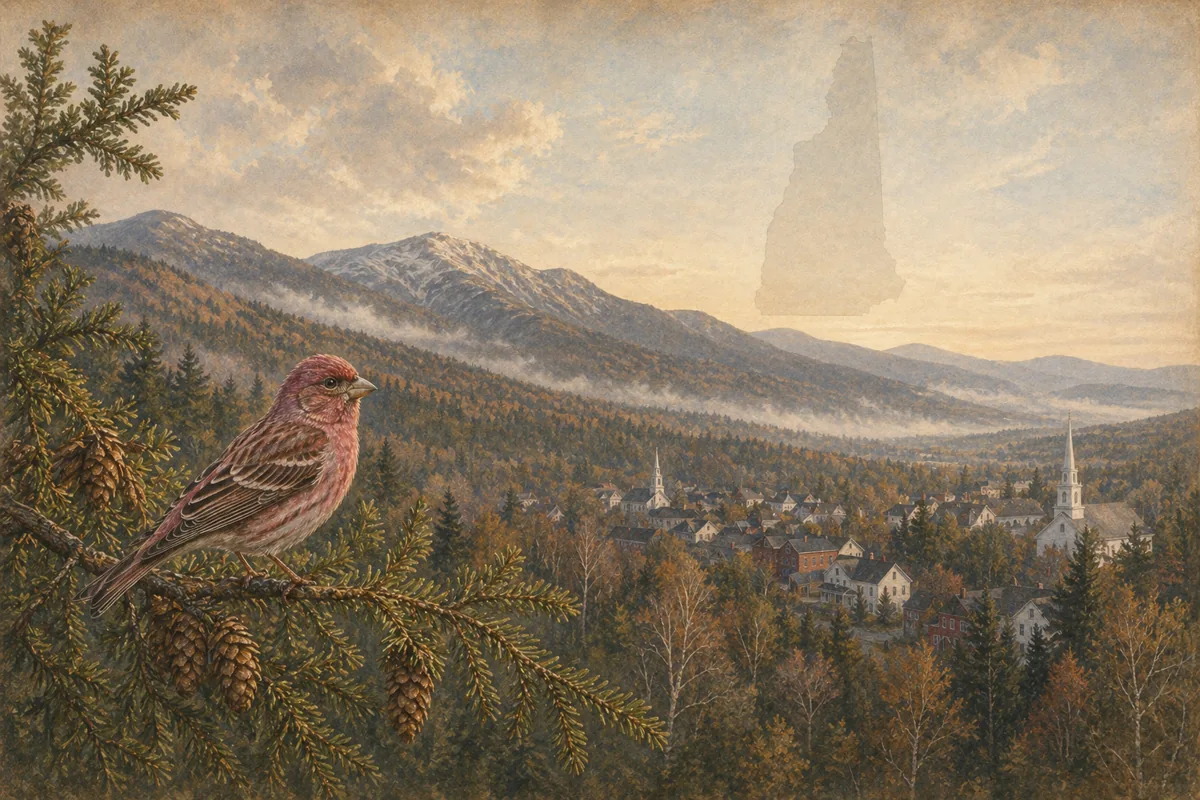
New Hampshire
Purple Finch
Since 1957
New Jersey
American Goldfinch
Since 1935
New Mexico
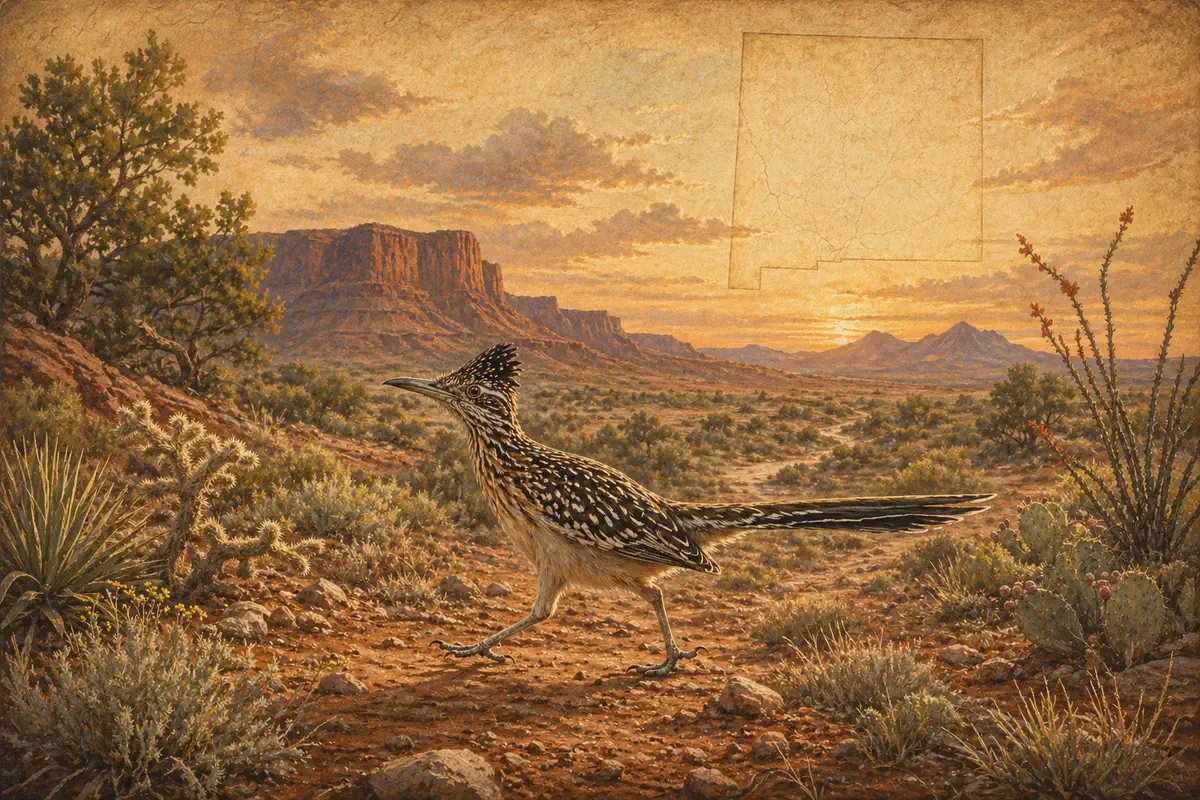
Greater Roadrunner
Since 1949
New York
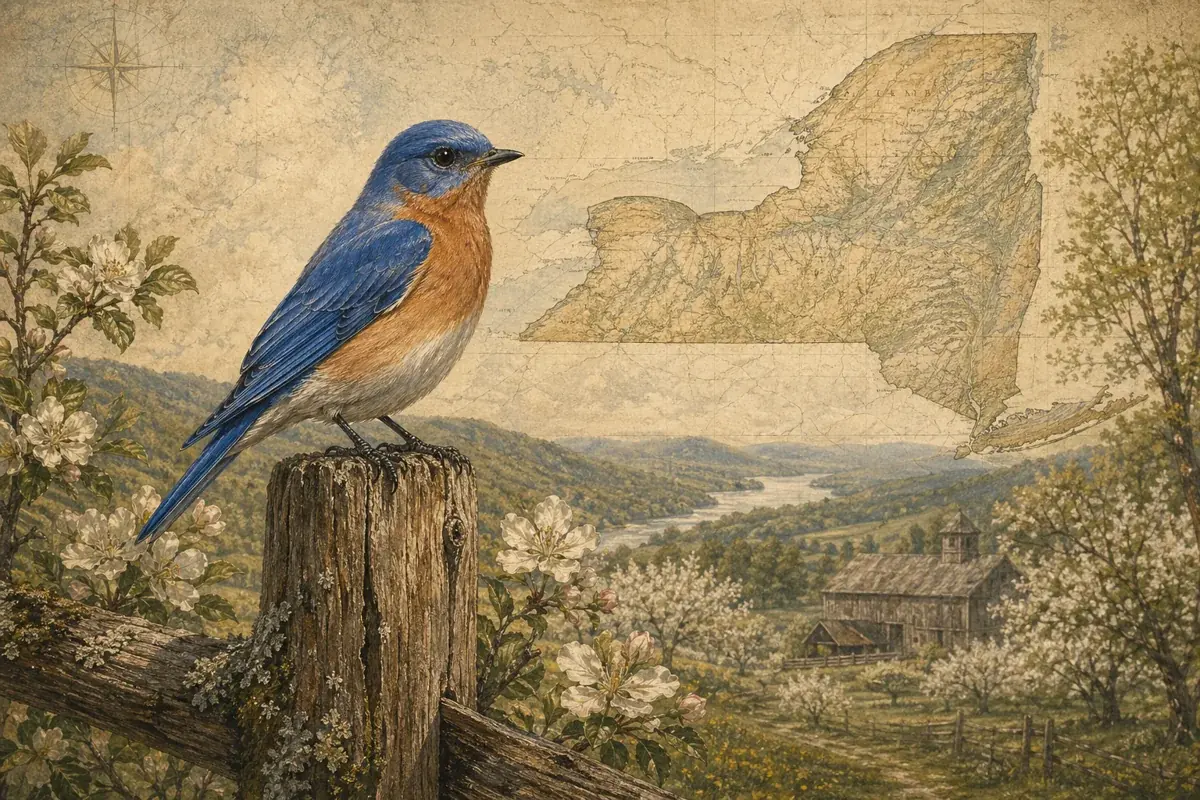
Eastern Bluebird
Since 1970
North Carolina
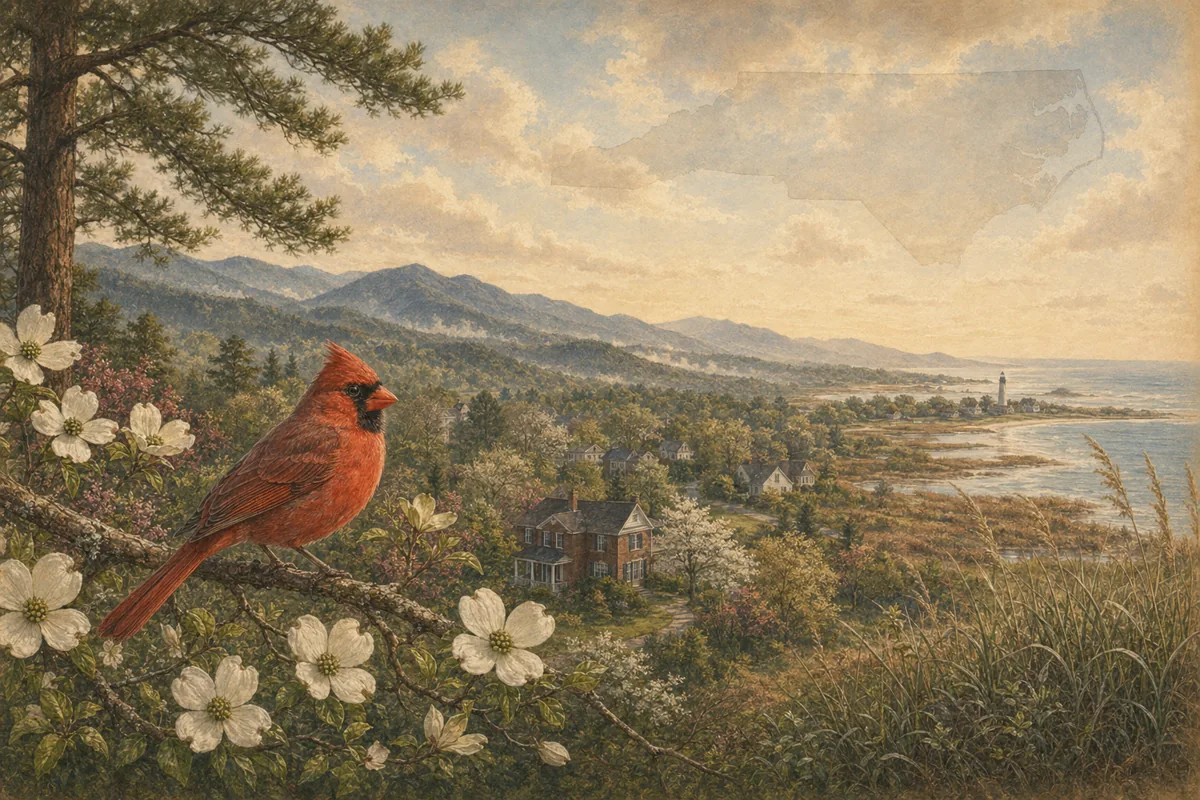
Northern Cardinal
Since 1943
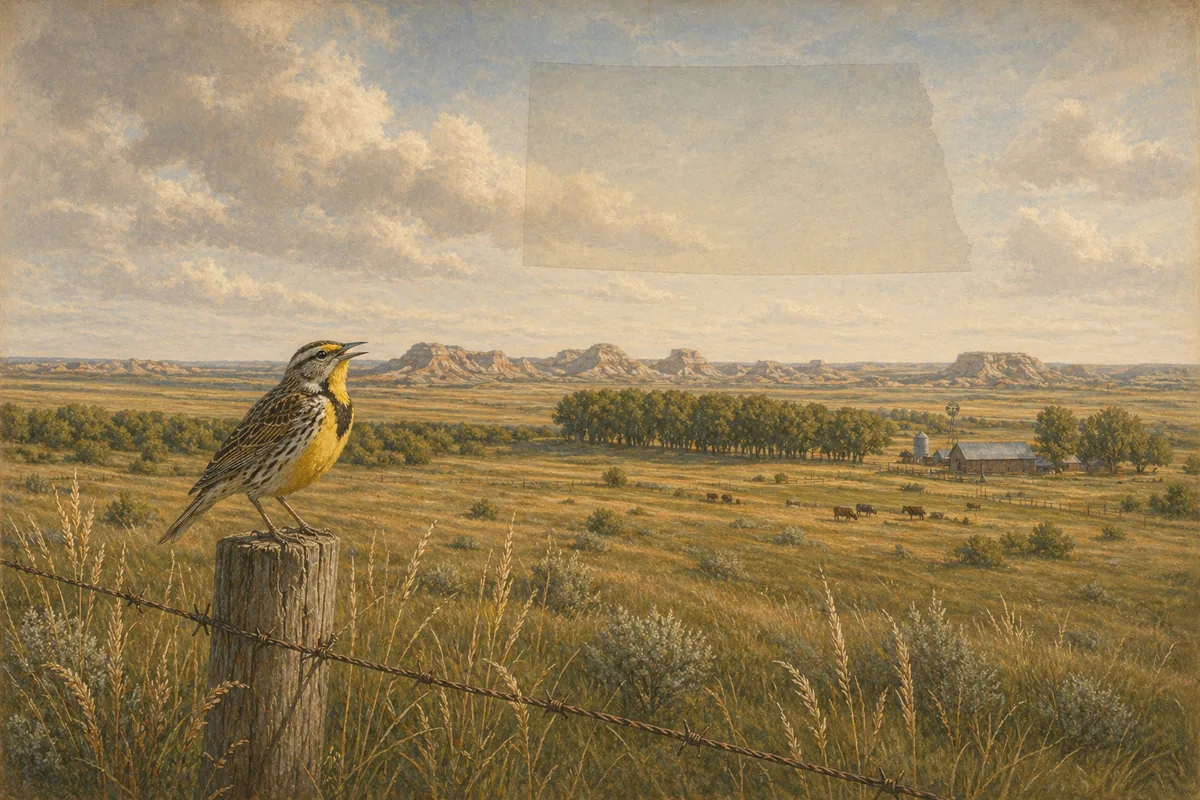
North Dakota
Western Meadowlark
Since 1947
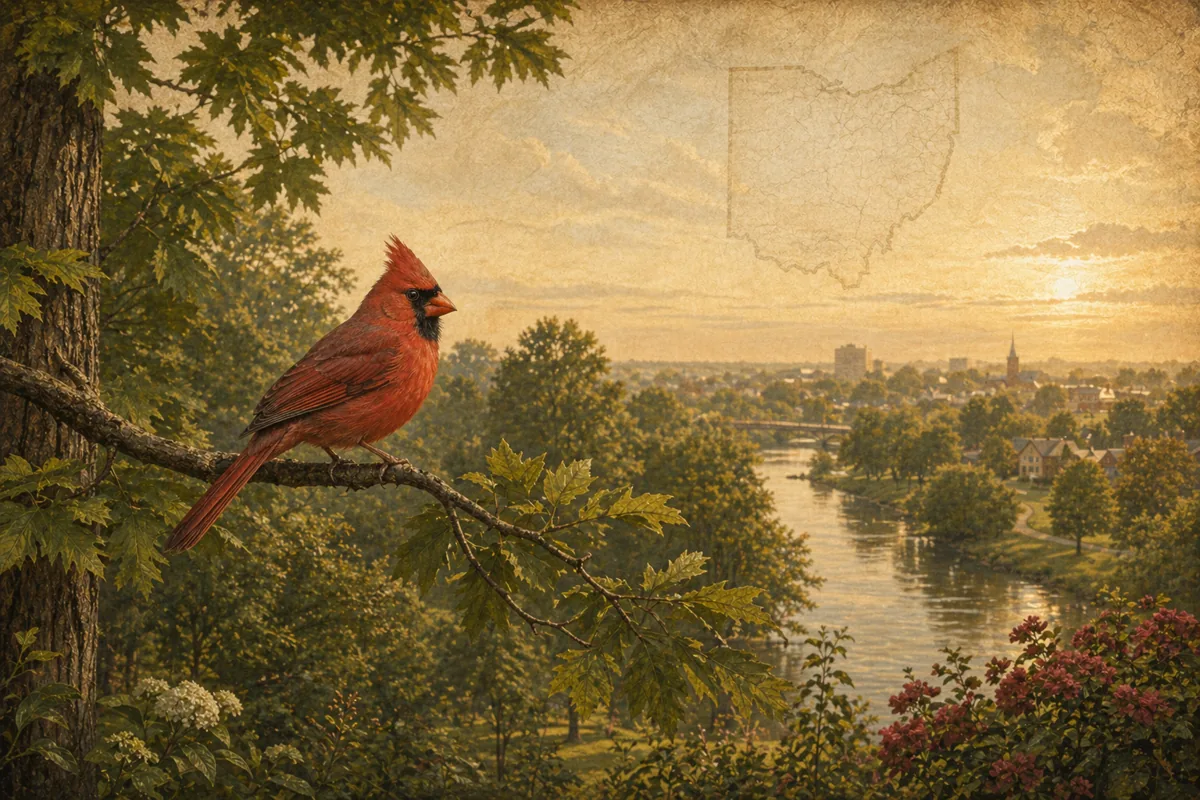
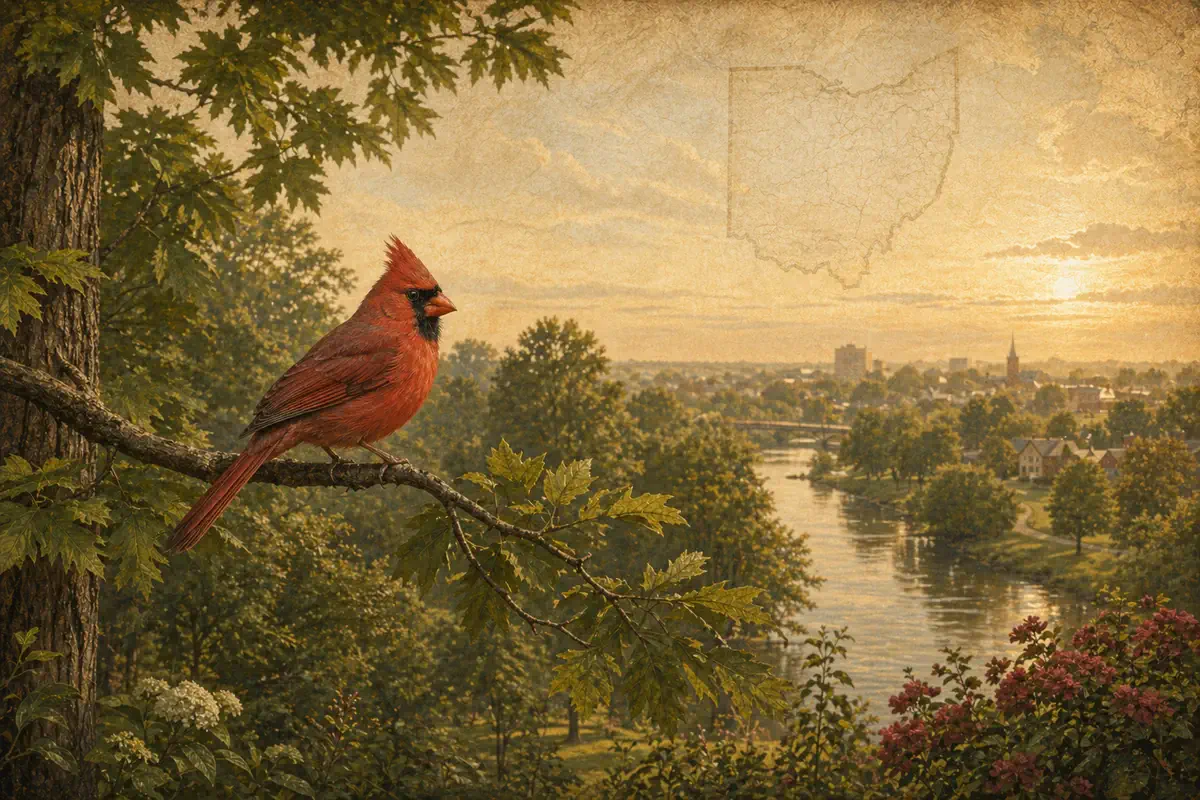
Ohio
Northern Cardinal
Since 1933
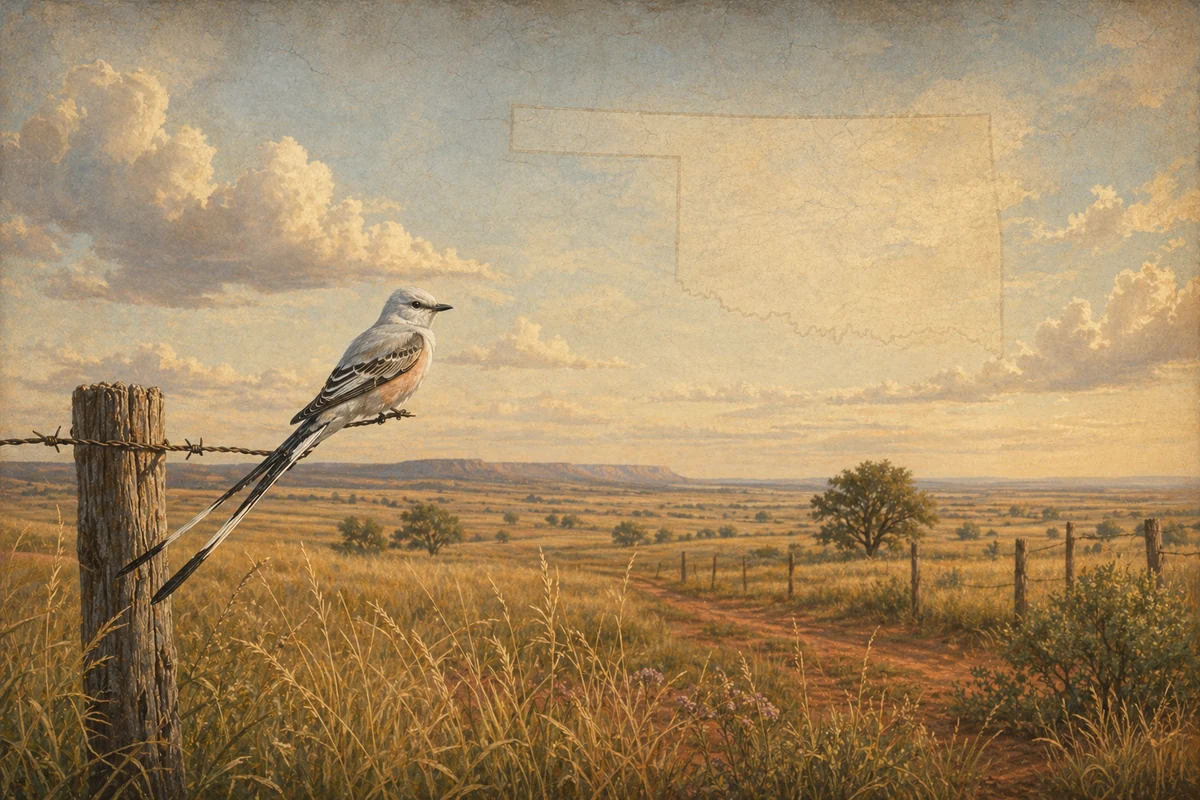
Oklahoma
Scissor-tailed Flycatcher
Since 1951
Oregon
Western Meadowlark
Since 1927
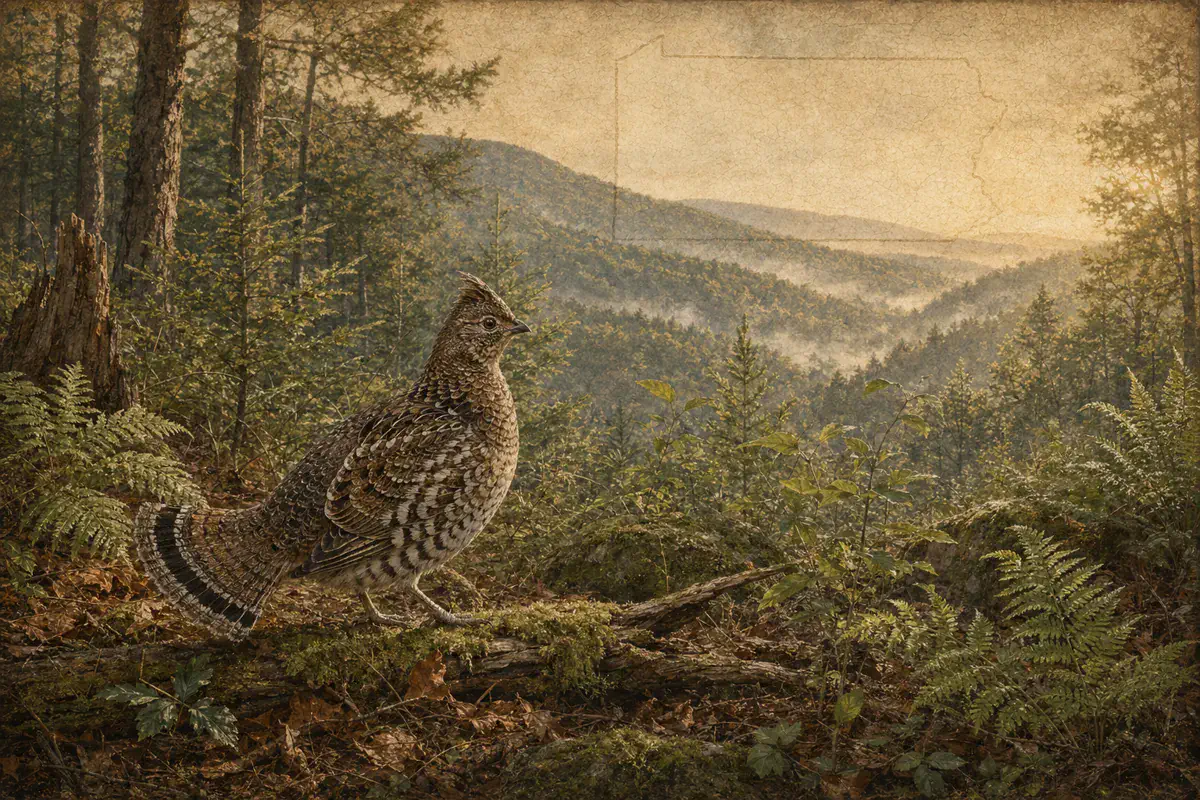
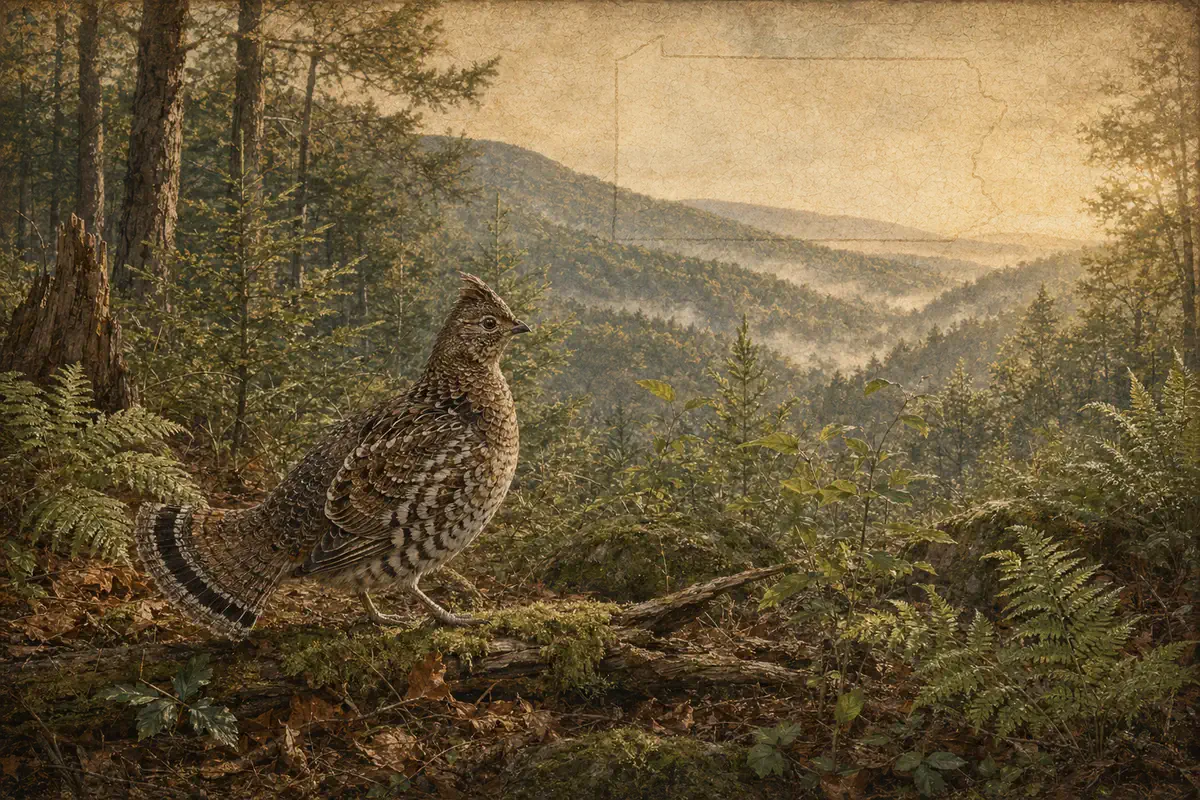
Pennsylvania
Ruffed Grouse
Since 1931
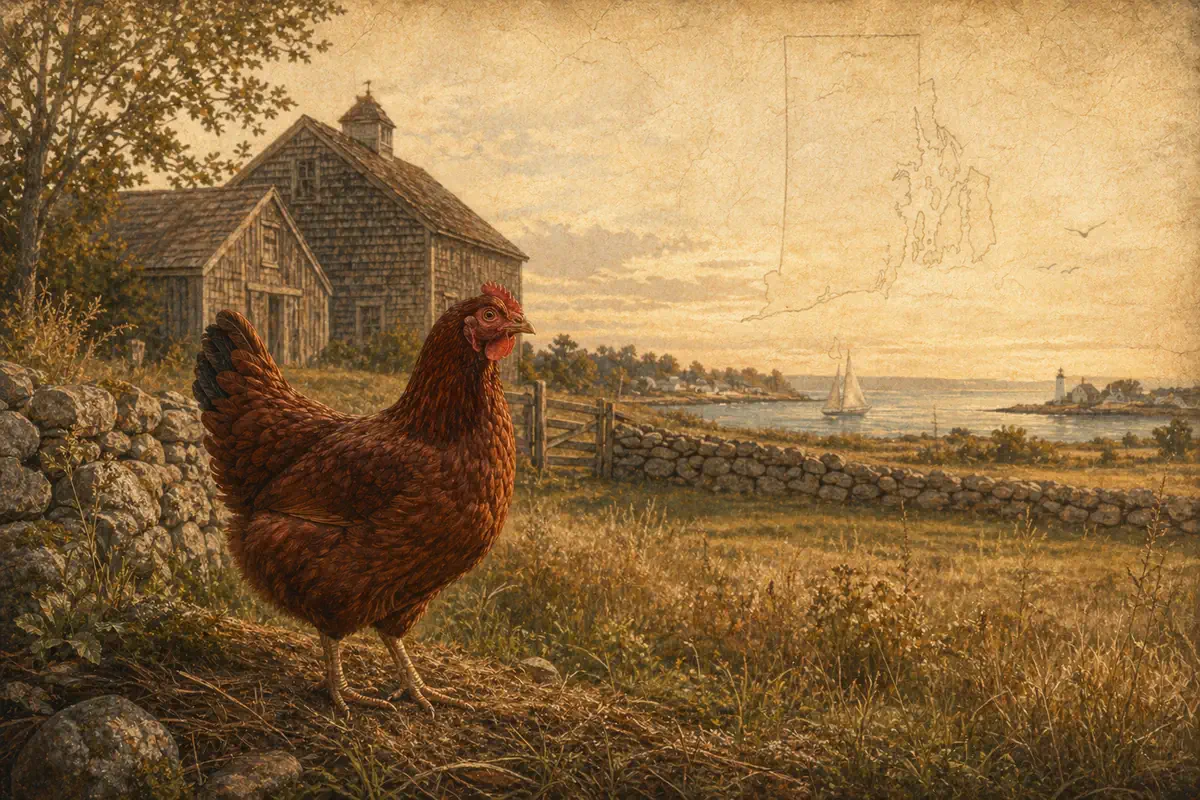
Rhode Island
Rhode Island Red
Since 1954
South Carolina
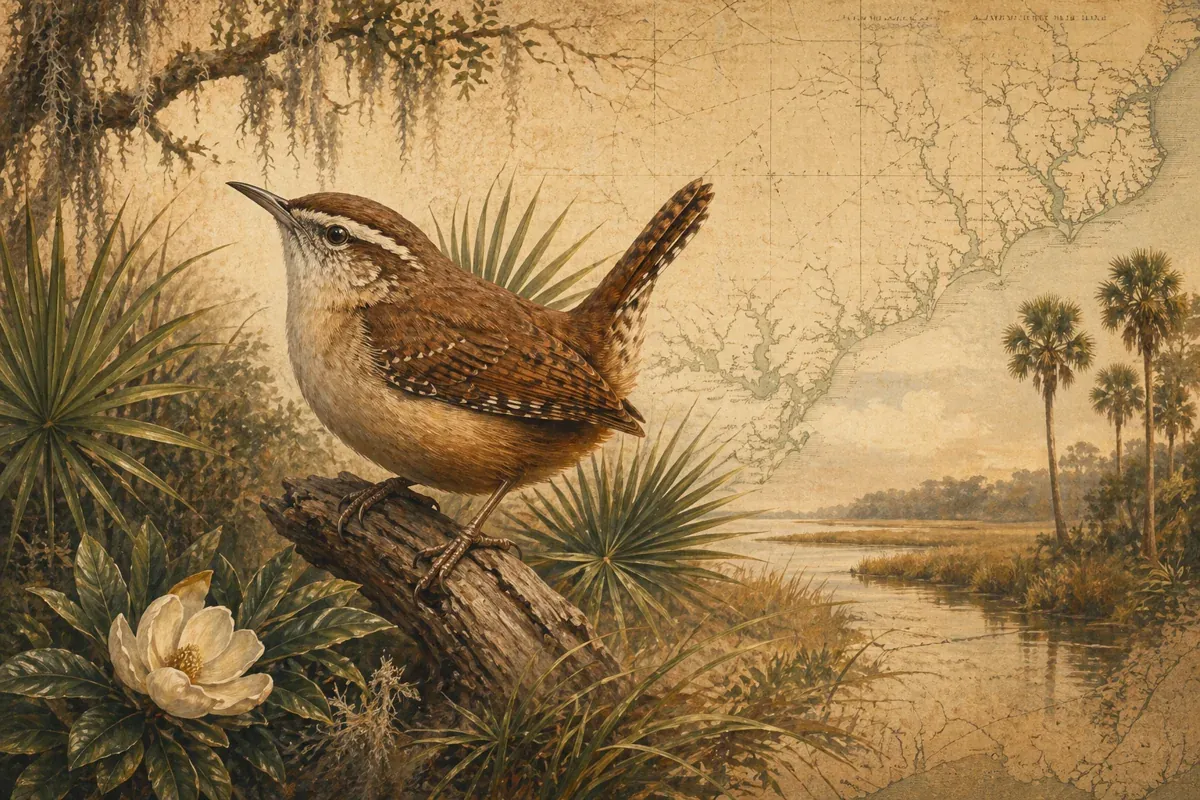
Carolina Wren
Since 1948
South Dakota
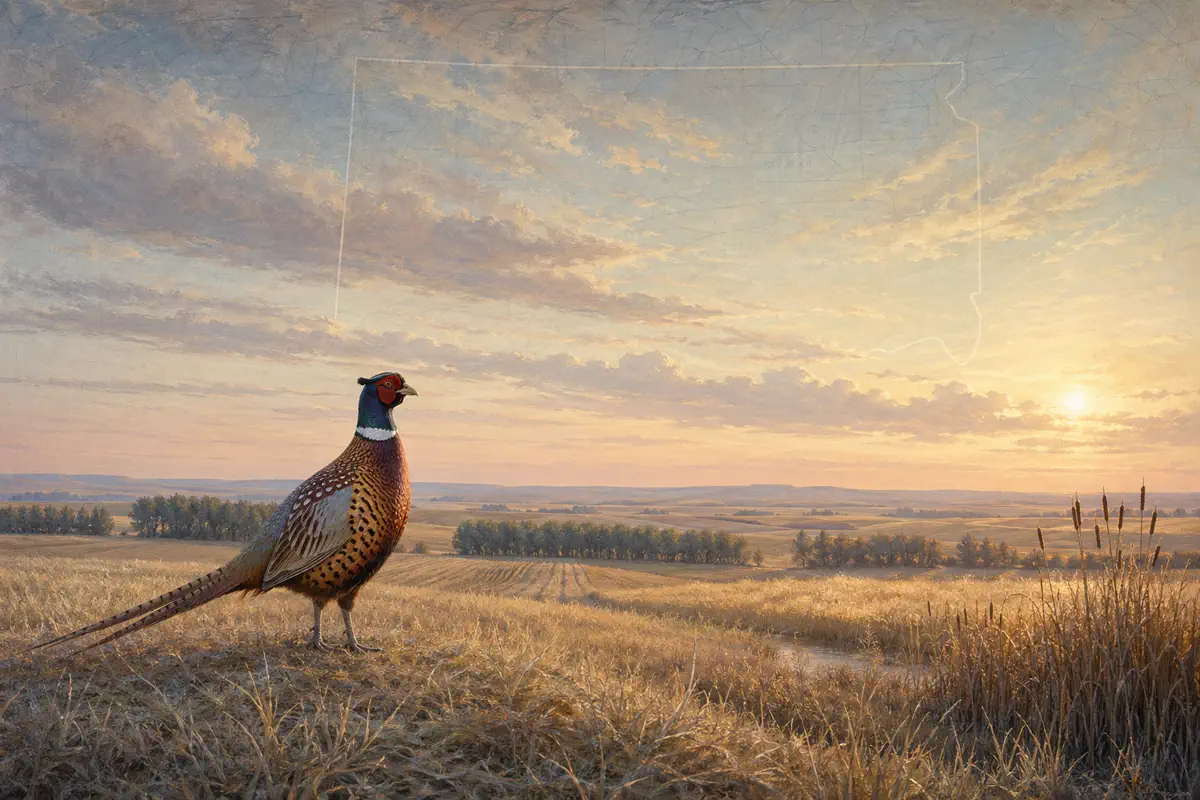
Ring-necked Pheasant
Since 1943
Tennessee
Northern Mockingbird
Since 1933
Texas
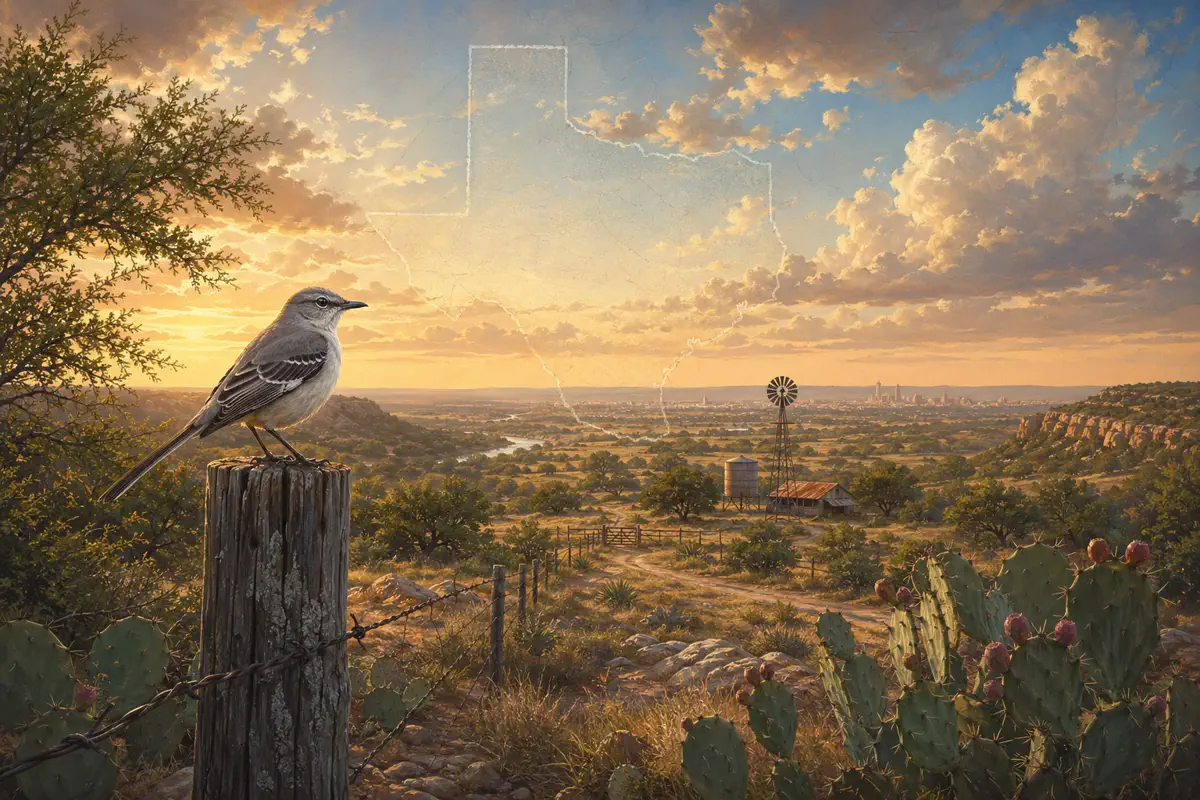
Northern Mockingbird
Since 1927
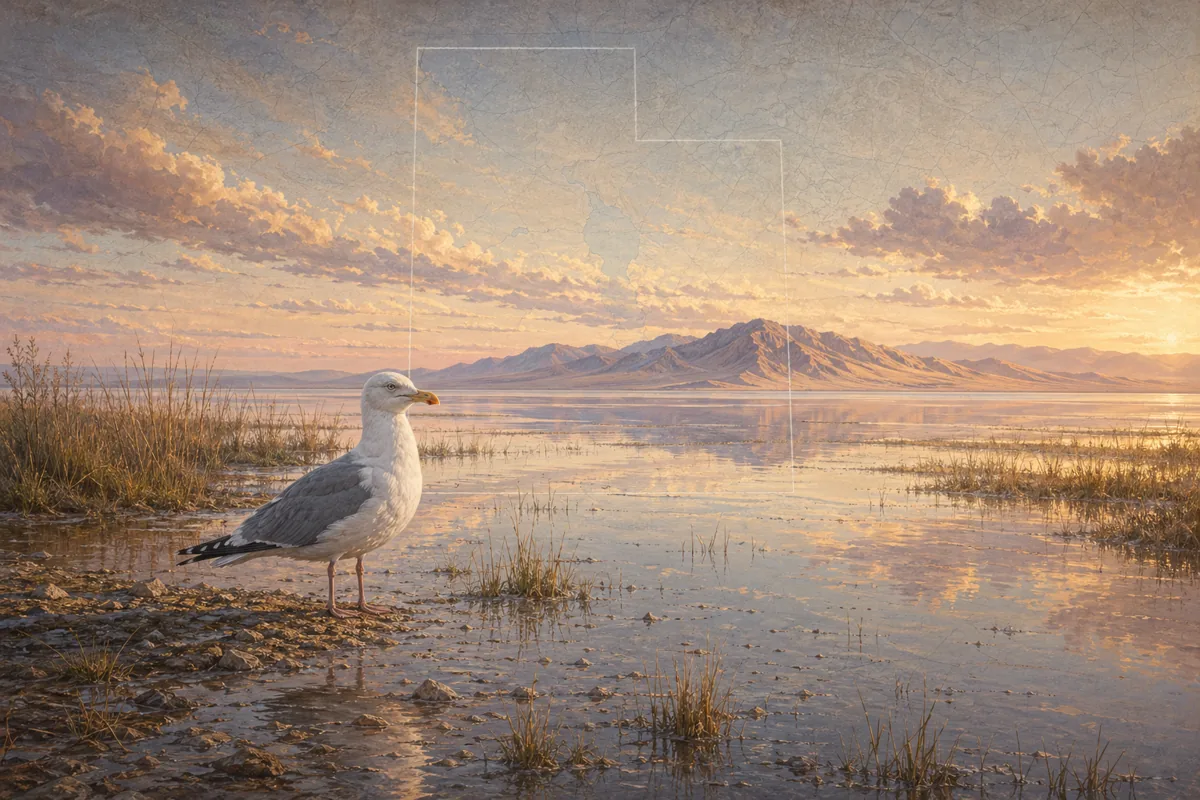
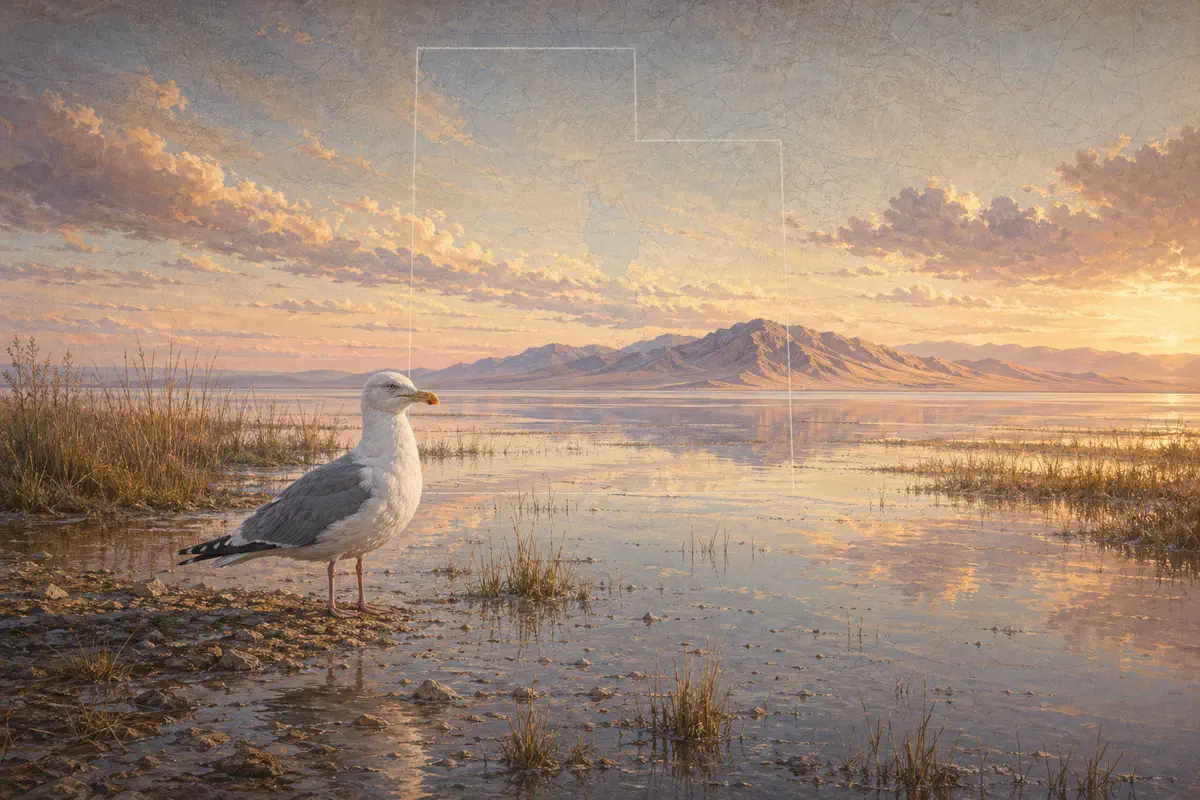
Utah
California Gull
Since 1955
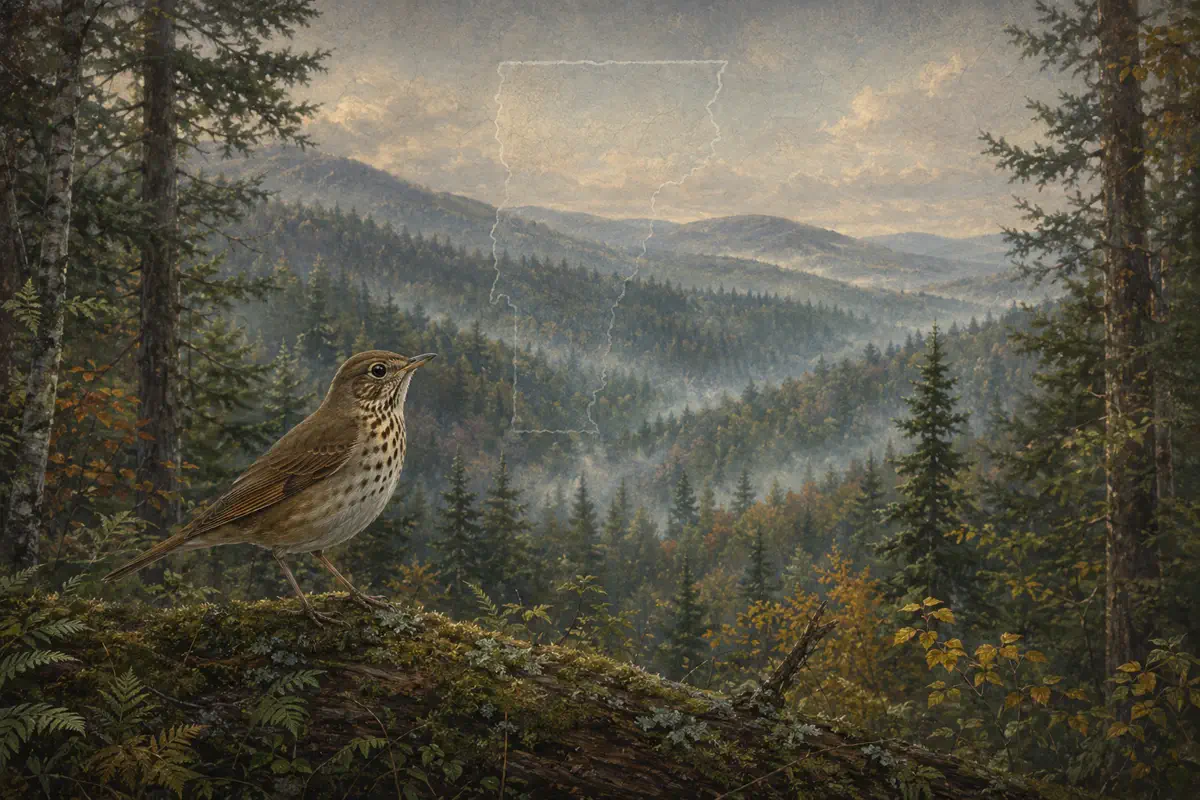
Vermont
Hermit Thrush
Since 1941
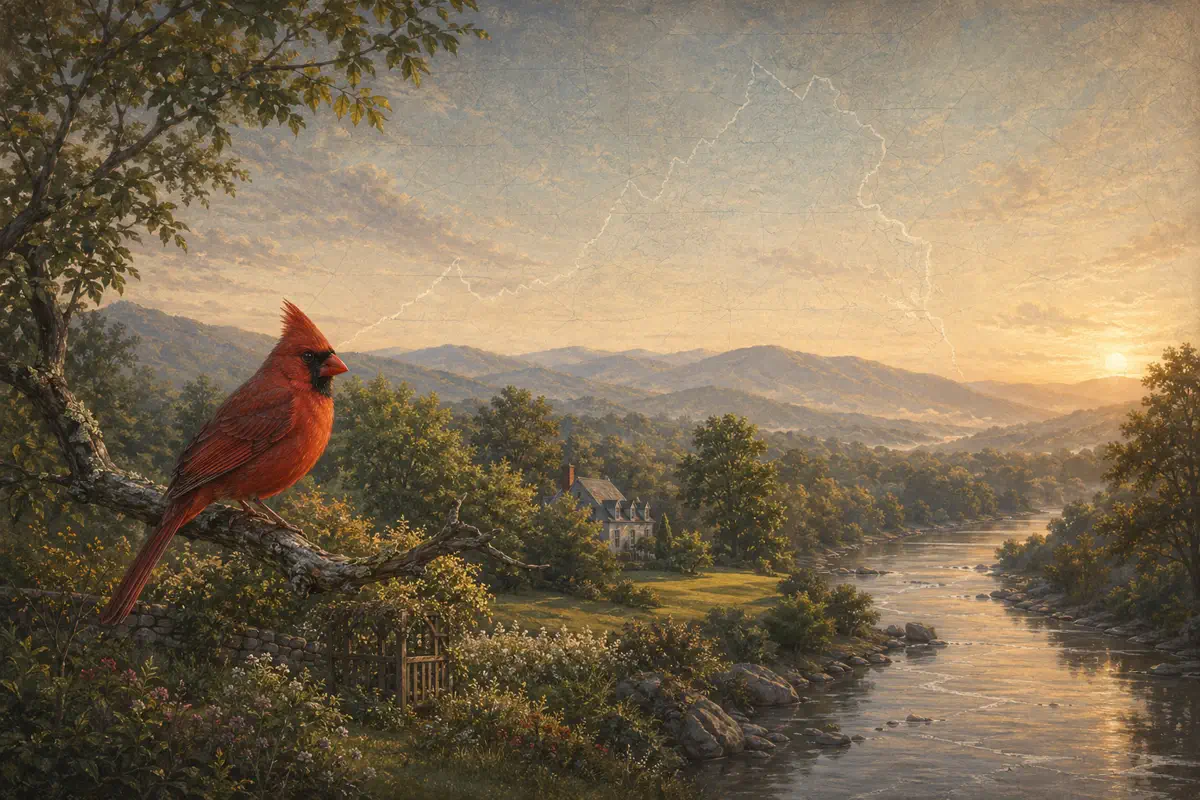
Virginia
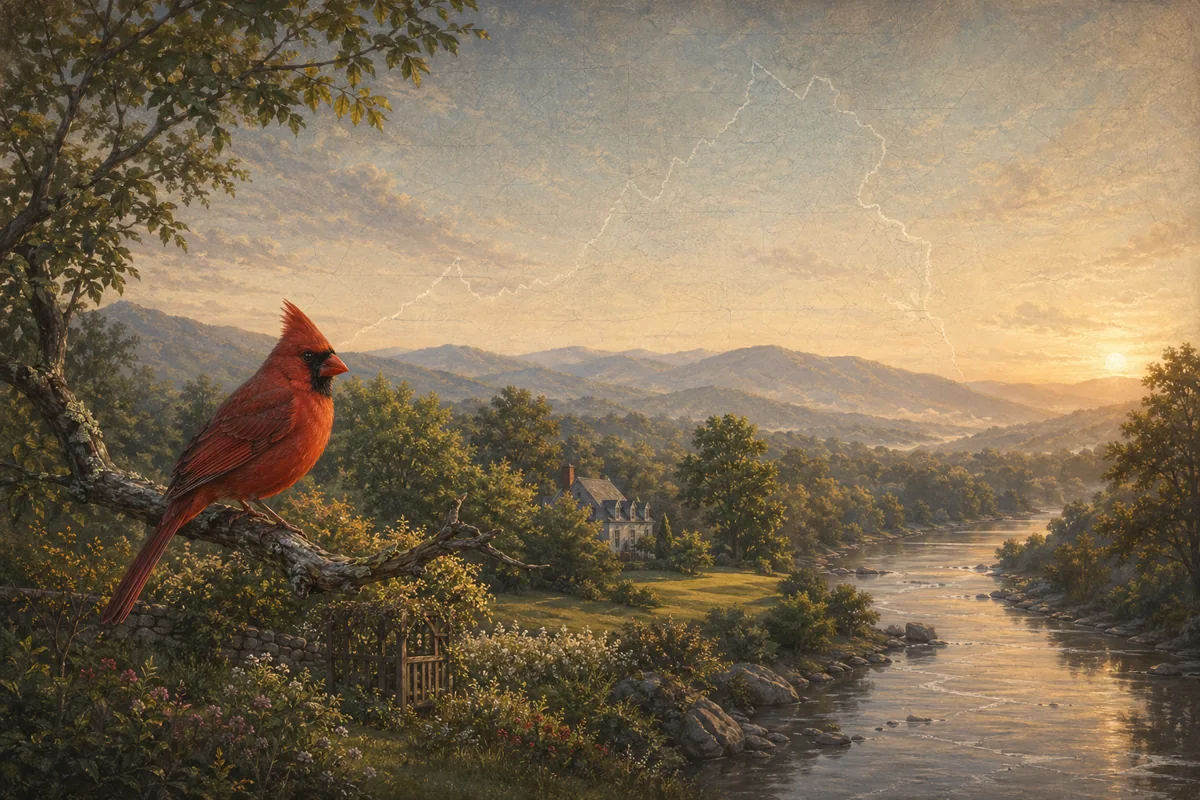
Northern Cardinal
Since 1950
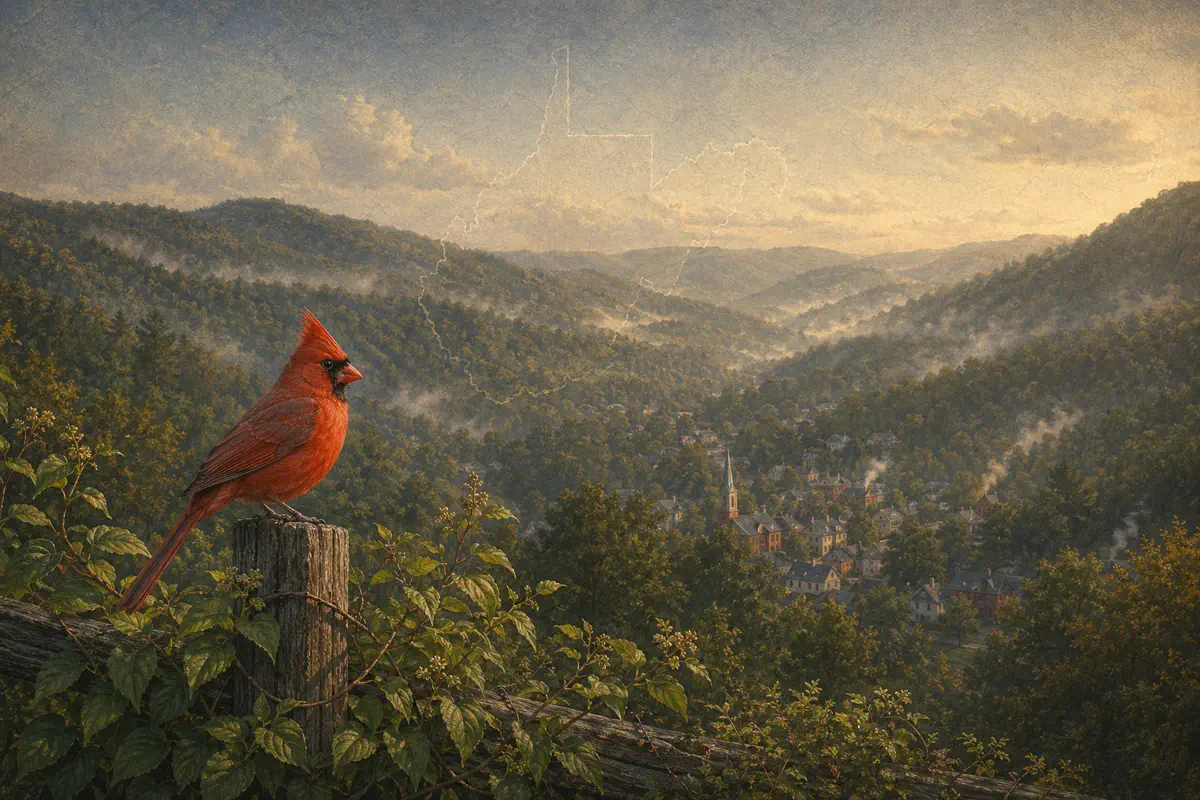
West Virginia
Northern Cardinal
Since 1949
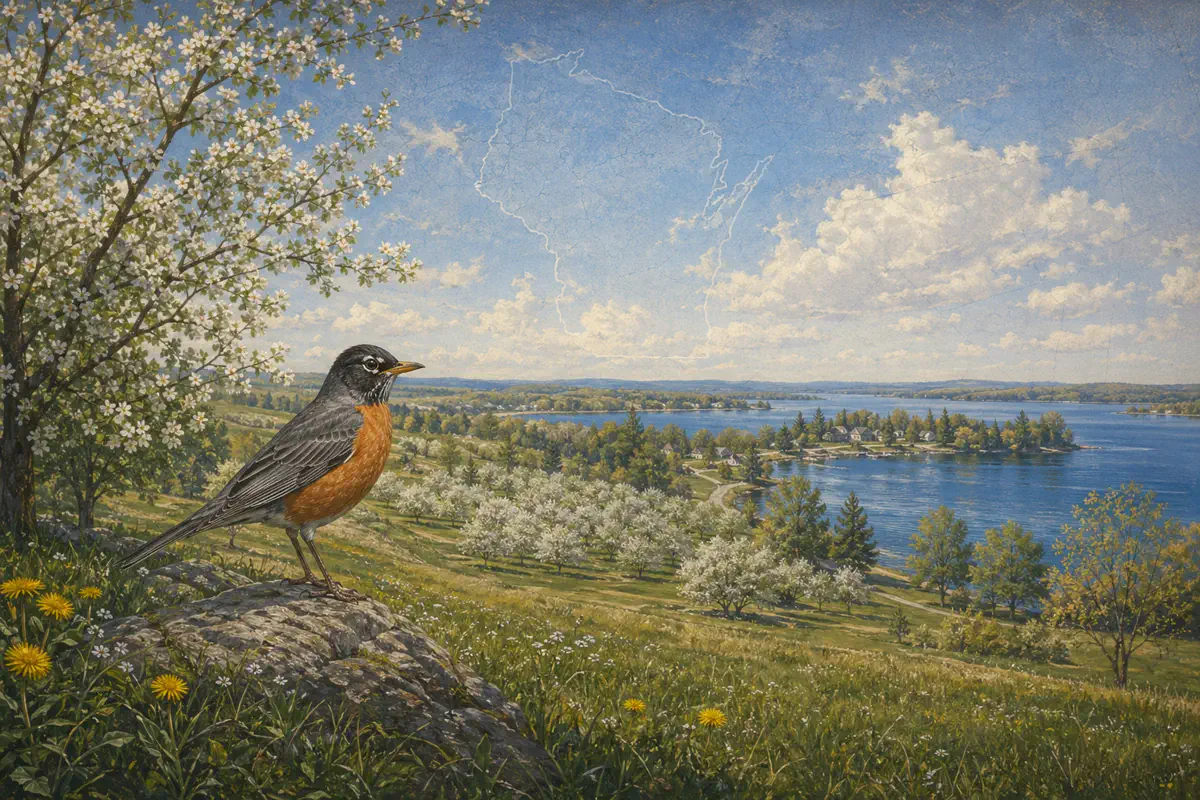
Wisconsin
American Robin
Since 1949
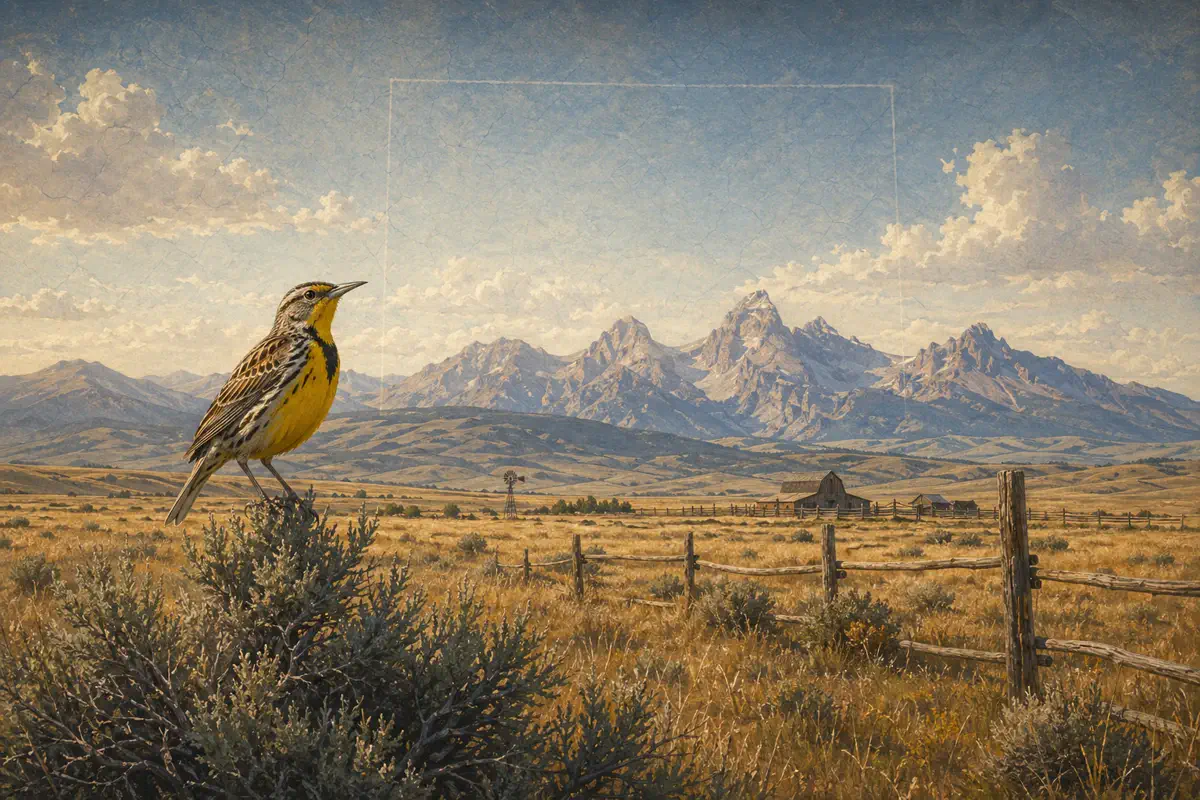
Wyoming
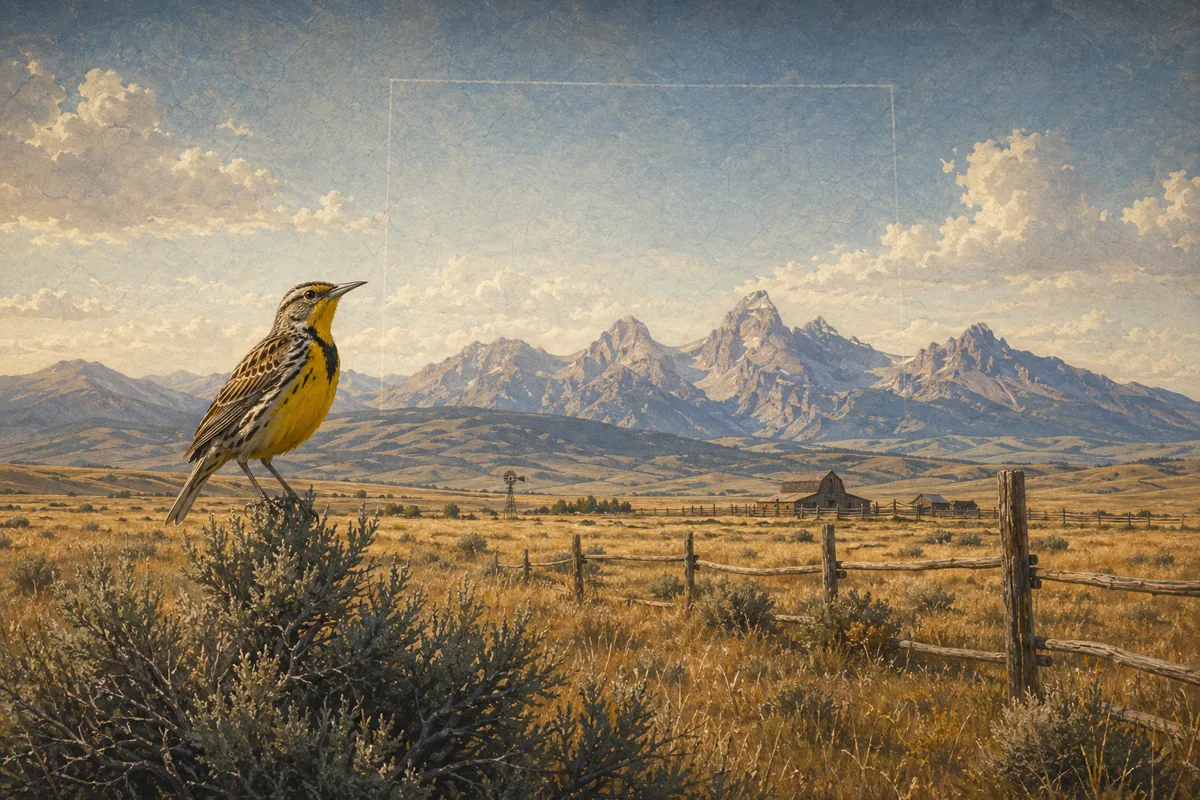
Western Meadowlark
Since 1927

FAQ

Frequently Asked Questions

What is the Washington state bird?
Good starting points include Nisqually National Wildlife Refuge, Turnbull National Wildlife Refuge, and the Methow Valley. Watch for birds hanging from seed heads or giving their rolling flight call over open ground.

Source citations

How this state-bird page is sourced

State-bird pages separate official-symbol facts, bird data, and editorial prose so a correction can target the right layer.

  1. State designation facts from the KTP state-bird data contract and page data.
  2. Taxonomy, measurements, family, and conservation fields from structured pipeline data.
  3. Editorial prose reviewed against KTP rules for no invented numbers and no field-certainty claims from generated art.

Correction log

Correction log

  • Official state-symbol details are corrected at the state-bird data source, then republished into PAGE_DATA.
  • Bird measurements, family labels, and conservation fields are corrected in the structured species pipeline rather than patched in prose.
  • Generated prose is revised only after the owning data fields and section contract are confirmed.
Report an error